Gout and Its Impact on Foot Health

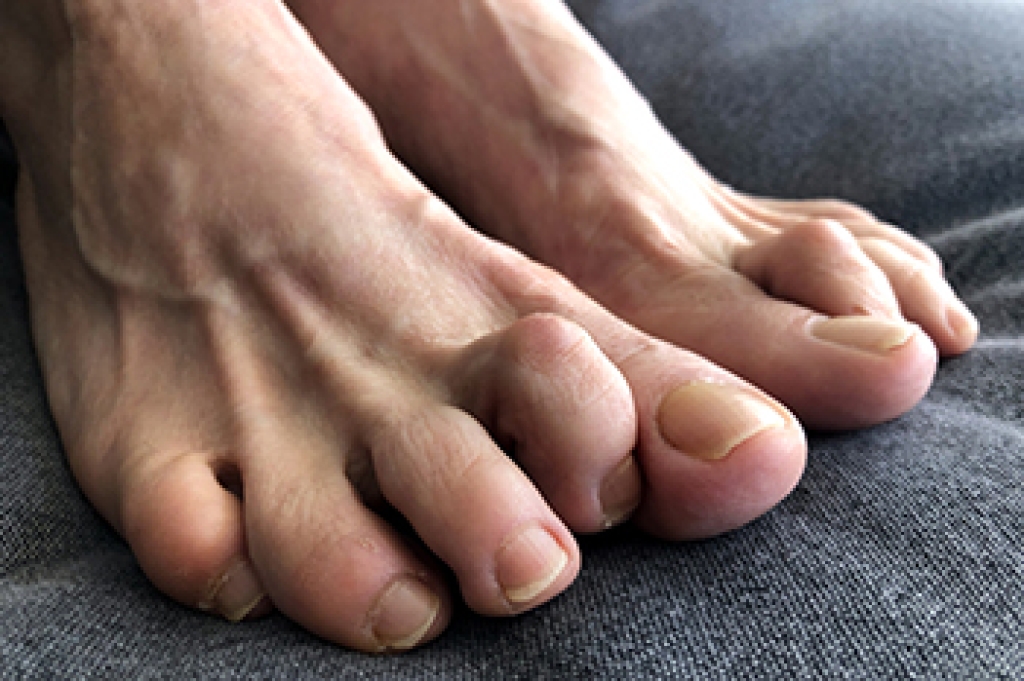
Gout is a form of inflammatory arthritis caused by a buildup of uric acid in the body, leading to crystal deposits in joints. It commonly affects the feet, especially the big toe, causing intense pain, redness, swelling, and difficulty walking. Certain foods high in purines, such as red meat, shellfish, and sugary beverages, may trigger gout attacks. To help prevent flare-ups, a diet rich in fruits, vegetables, whole grains, and plenty of water is recommended. Risk factors include obesity, genetics, and certain medical conditions. A podiatrist can diagnose gout, relieve pain, and create a personalized treatment plan. Gout can be very painful, and may cause difficulty in completing daily activities. If you have pain in your big toe, it is suggested that you promptly consult a podiatrist who can treat this painful condition.

Gout is a painful condition that can be treated. If you are seeking treatment, contact Hadryan Vaughn, DPM from Vaughn Podiatry Center. Our doctor will treat your foot and ankle needs.

What Is Gout?

Gout is a form of arthritis that is characterized by sudden, severe attacks of pain, redness, and tenderness in the joints. The condition usually affects the joint at the base of the big toe. A gout attack can occur at any random time, such as the middle of the night while you are asleep.

Symptoms

  • Intense Joint Pain - Usually around the large joint of your big toe, and it most severe within the first four to twelve hours
  • Lingering Discomfort - Joint discomfort may last from a few days to a few weeks
  • Inflammation and Redness -Affected joints may become swollen, tender, warm and red
  • Limited Range of Motion - May experience a decrease in joint mobility

Risk Factors

  • Genetics - If family members have gout, you’re more likely to have it
  • Medications - Diuretic medications can raise uric acid levels
  • Gender/Age - Gout is more common in men until the age of 60. It is believed that estrogen protects women until that point
  • Diet - Eating red meat and shellfish increases your risk
  • Alcohol - Having more than two alcoholic drinks per day increases your risk
  • Obesity - Obese people are at a higher risk for gout

Prior to visiting your podiatrist to receive treatment for gout, there are a few things you should do beforehand. If you have gout you should write down your symptoms--including when they started and how often you experience them, important medical information you may have, and any questions you may have. Writing down these three things will help your podiatrist in assessing your specific situation so that he or she may provide the best route of treatment for you.

If you have any questions, please feel free to contact our office located in Montgomery, AL . We offer the newest diagnostic and treatment technologies for all your foot care needs.

Read more about Everything You Need to Know About Gout

Get Proper Treatment for Ankle Injuries

If you're experiencing ankle pain, you may be suffering from an ankle injury. Sprains, fractures, Achilles tendonitis, and Achilles tendon ruptures are just some examples of potential ankle injuries. Don't wait for care for an ankle injury, as it may worsen over time. We can help!

Treatment For Cracked Heels

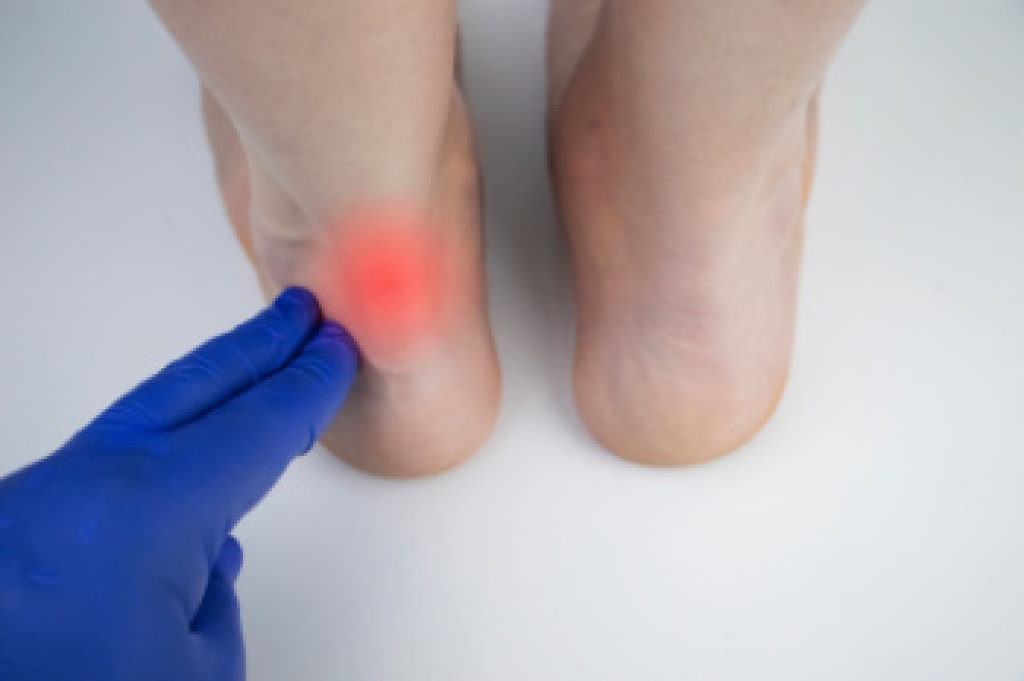
Cracked heels develop when the skin on the back of the foot becomes dry, thick, and less flexible, eventually splitting under pressure. These splits can be tender, unsightly, and sometimes deep enough to cause bleeding or infection. Restoring comfort begins with softening the skin so it can heal. Warm water soaks help loosen the outer layers, and applying a rich, emollient cream afterward locks in moisture. Regular use of products that gently break down thickened skin can also improve texture over time. Wearing supportive footwear with closed backs helps reduce pulling on the skin and prevents further cracking. Keeping socks on after moisturizing encourages better absorption and protects healing tissue. Because deeper fissures can lead to complications, especially for individuals with diabetes or circulation concerns, any persistent or painful cracking deserves attention. If your cracked heels are not improving or feel increasingly uncomfortable, it is suggested that you see a podiatrist for proper treatment and guidance.

If the skin on your feet starts to crack, you may want to see a podiatrist to find treatment. If you have any concerns, contact Hadryan Vaughn, DPM from Vaughn Podiatry Center. Our doctor can provide the care you need to keep you pain-free and on your feet.

Cracked Heels

It is important to moisturize your cracked heels in order to prevent pain, bleeding, and infection. The reason cracked heels form is because the skin on the foot is too dry to support the immense pressure placed on them. When the foot expands, the dry skin on the foot begins to split.

Ways to Help Heal Them

  • Invest in a good foot cream
  • Try Using Petroleum Jelly
  • Ease up on Soaps
  • Drink Plenty of Water

Ways to Prevent Cracked Heels

  • Moisturize After Showering
  • Skip a Shower
  • Keep Shower Water Lukewarm
  • Don’t Scrub Your Feet

If you are unsure how to proceed in treating cracked heels, seek guidance from a podiatrist. Your doctor will help you with any questions or information you may need. 

If you have any questions, please feel free to contact our office located in Montgomery, AL . We offer the newest diagnostic and treatment technologies for all your foot care needs.

Read more about Solutions for Cracked Heels

Why Some Diabetic Foot Ulcers Refuse to Heal

Diabetic foot ulcers can be frustrating because they often linger, even with careful treatment. High blood sugar slows healing by damaging blood vessels and reducing oxygen flow to the skin. Nerve damage can also play a role, since patients may not feel pressure or injury, allowing wounds to worsen unnoticed. Infection is another common factor that keeps ulcers from closing. Poor circulation in the lower legs and feet further limits the body’s ability to repair tissue. Inconsistent offloading, such as walking on the wound, can delay progress as well. Effective care usually requires a combination of wound cleaning, pressure relief, blood sugar control, and sometimes advanced therapies. Regular monitoring is important to catch changes early. If a foot ulcer is not improving or keeps returning, it is strongly suggested that you see a podiatrist for a proper diagnosis and timely treatment.

Wound care is an important part in dealing with diabetes. If you have diabetes and a foot wound or would like more information about wound care for diabetics, consult with Hadryan Vaughn, DPM from Vaughn Podiatry Center. Our doctor will assess your condition and provide you with quality foot and ankle treatment.

What Is Wound Care?

Wound care is the practice of taking proper care of a wound. This can range from the smallest to the largest of wounds. While everyone can benefit from proper wound care, it is much more important for diabetics. Diabetics often suffer from poor blood circulation which causes wounds to heal much slower than they would in a non-diabetic. 

What Is the Importance of Wound Care?

While it may not seem apparent with small ulcers on the foot, for diabetics, any size ulcer can become infected. Diabetics often also suffer from neuropathy, or nerve loss. This means they might not even feel when they have an ulcer on their foot. If the wound becomes severely infected, amputation may be necessary. Therefore, it is of the upmost importance to properly care for any and all foot wounds.

How to Care for Wounds

The best way to care for foot wounds is to prevent them. For diabetics, this means daily inspections of the feet for any signs of abnormalities or ulcers. It is also recommended to see a podiatrist several times a year for a foot inspection. If you do have an ulcer, run the wound under water to clear dirt from the wound; then apply antibiotic ointment to the wound and cover with a bandage. Bandages should be changed daily and keeping pressure off the wound is smart. It is advised to see a podiatrist, who can keep an eye on it.

If you have any questions please contact our office located in Montgomery, AL . We offer the newest diagnostic and treatment technologies for all your foot and ankle needs.

Read more about Wound Care

How Everyday Injuries Can Lead to Diabetic Foot Ulcers

Foot ulcers are a serious concern for people living with diabetes. Many of these wounds begin with a simple injury to the foot. A small cut, blister, burn, or pressure from wearing tight shoes can damage the skin. Because diabetes can reduce feeling in the feet, a person may not notice the injury right away. Continued walking or pressure on the area can cause the skin to break down and develop into an open sore. Sharp objects, rubbing from footwear, or repeated stress during daily activity can all trigger these wounds. Once the skin is damaged, healing may be slow, which increases the risk of infection and more serious complications. Daily foot checks, supportive footwear, and quick care for even minor injuries can help prevent problems. If you have diabetes and notice any sore or redness, it is suggested that you visit a podiatrist for prompt evaluation and appropriate treatment.

Diabetic foot care is important in preventing foot ailments such as ulcers. If you are suffering from diabetes or have any other concerns about your feet, contact Hadryan Vaughn, DPM from Vaughn Podiatry Center. Our doctor can provide the care you need to keep you pain-free and on your feet.

Diabetic Foot Care

Diabetes affects millions of people every year. The condition can damage blood vessels in many parts of the body, especially the feet. Because of this, taking care of your feet is essential if you have diabetes, and having a podiatrist help monitor your foot health is highly recommended.

The Importance of Caring for Your Feet

  • Routinely inspect your feet for bruises or sores.
  • Wear socks that fit your feet comfortably.
  • Wear comfortable shoes that provide adequate support.

Patients with diabetes should have their doctor monitor their blood levels, as blood sugar levels play such a huge role in diabetic care. Monitoring these levels on a regular basis is highly advised.

It is always best to inform your healthcare professional of any concerns you may have regarding your feet, especially for diabetic patients. Early treatment and routine foot examinations are keys to maintaining proper health, especially because severe complications can arise if proper treatment is not applied.

If you have any questions, please feel free to contact our office located in Montgomery, AL . We offer the newest diagnostic and treatment technologies for all your foot care needs.

Read more about Diabetic Foot Care
scroll to top