
Neuropathy is a condition that can lead to numbness or loss of sensation in the feet, but it can also cause pain. This condition is more likely to develop for those who are diabetic, obese, or with high blood pressure.
Neuropathy is a condition that can lead to numbness or loss of sensation in the feet, but it can also cause pain. This condition is more likely to develop for those who are diabetic, obese, or with high blood pressure.
 It is essential for young children to be barefoot when they first learn to walk, in order to allow their muscles to develop properly. The bones in a baby’s foot aren’t fully developed until they are around 5 years old, and tend to be very soft up until that point. To ensure toddler shoes fit properly and support healthy foot development, check length, width, flexibility, and heel grip. There should be about a thumb’s width of space at the front for growth, and the sides should fit snugly without pinching while allowing toe movement. Choose shoes with soft, flexible soles that bend easily to encourage natural movement. Lastly, make sure the heel fits securely without slipping or feeling overly tight, which helps prevent blisters and provides stability. If your child is just learning to walk, it is suggested that you make an appointment with a podiatrist for guidance on proper footwear.
Making sure that your children maintain good foot health is very important as they grow. If you have any questions, contact Hadryan Vaughn, DPM of Vaughn Podiatry Center. Our doctor can provide the care you need to keep you pain-free and on your feet.
Keeping Children's Feet Healthy
Having healthy feet during childhood can help prevent medical problems later in life, namely in the back and legs. As children grow, their feet require different types of care. Here are some things to consider...
Although babies do not walk yet, it is still very important to take care of their feet.
Avoid putting tight shoes or socks on his or her feet.
Allow the baby to stretch and kick his or her feet to feel comfortable.
As a toddler, kids are now on the move and begin to develop differently. At this age, toddlers are getting a feel for walking, so don’t be alarmed if your toddler is unsteady or ‘walks funny’.
As your child gets older, it is important to teach them how to take care of their feet.
Show them proper hygiene to prevent infections such as fungus.
Be watchful for any pain or injury.
Have all injuries checked by a doctor as soon as possible.
Comfortable, protective shoes should always be worn, especially at play.
If you have any questions, please feel free to contact our office located in Montgomery, AL . We offer the newest diagnostic and treatment technologies for all your foot care needs.

Bunions and gout can both cause pain and swelling around the big toe, but they have different causes and treatments. A bunion is a bony bump that forms when the big toe joint becomes misaligned, often due to genetics, tight shoes, or abnormal foot structure. It usually looks like a hard bump on the side of the toe and feels achy, stiff, or sore, especially when walking. Gout is caused by a buildup of uric acid crystals in the joint, leading to sudden, intense pain, redness, and warmth that may come on overnight. The toe may appear red, shiny, and extremely tender to touch. A podiatrist can help determine whether it is a bunion or gout through a physical exam, imaging, and possibly lab testing. Treatment may involve medication, footwear changes, or custom orthotics. If you are dealing with pain in your big toe, it is suggested that you make an appointment with a podiatrist for an accurate diagnosis and relief.
Gout is a foot condition that requires certain treatment and care. If you are seeking treatment, contact Hadryan Vaughn, DPM from Vaughn Podiatry Center. Our doctor will treat your foot and ankle needs.
What Is Gout?
Gout is a type of arthritis caused by a buildup of uric acid in the bloodstream. It often develops in the foot, especially the big toe area, although it can manifest in other parts of the body as well. Gout can make walking and standing very painful and is especially common in diabetics and the obese.
People typically get gout because of a poor diet. Genetic predisposition is also a factor. The children of parents who have had gout frequently have a chance of developing it themselves.
Gout can easily be identified by redness and inflammation of the big toe and the surrounding areas of the foot. Other symptoms include extreme fatigue, joint pain, and running high fevers. Sometimes corticosteroid drugs can be prescribed to treat gout, but the best way to combat this disease is to get more exercise and eat a better diet.
If you have any questions, please feel free to contact our office located in Montgomery, AL . We offer the newest diagnostic and treatment technologies for all your foot care needs.

Ankle sprains are common injuries that occur when the ligaments in the ankle are stretched or torn, often due to an awkward twist or roll of the foot. Common causes include sports activities, uneven terrain, or walking on unstable surfaces. Symptoms typically include pain, swelling, bruising, and difficulty moving the ankle. To avoid ankle sprains, it is important to strengthen and stretch the calf muscles and surrounding areas. Regular exercises to improve flexibility and balance can help stabilize the ankle joint and prevent sudden twists. Wearing supportive footwear that fits well and provides adequate arch support is also key in reducing the risk of injury. Additionally, warming up before physical activity and avoiding walking on uneven surfaces can help prevent sprains. A podiatrist can offer personalized advice on strengthening exercises, footwear choices, and other strategies to protect the ankle. If you are dealing with this condition, it is suggested that you make an appointment with a podiatrist.
Ankle sprains are common but need immediate attention. If you need your feet checked, contact Hadryan Vaughn, DPM from Vaughn Podiatry Center. Our doctor can provide the care you need to keep you pain-free and on your feet.
How Does an Ankle Sprain Occur?
Ankle sprains take place when the ligaments in your ankle are torn or stretched beyond their limits. There are multiple ways that the ankle can become injured, including twisting or rolling over onto your ankle, putting undue stress on it, or causing trauma to the ankle itself.
What Are the Symptoms?
Preventing a Sprain
Treatment of a Sprain
Treatment of a sprain depends on the severity. Many times, people are told to rest and remain off their feet completely, while others are given an air cast. If the sprain is very severe, surgery may be required.
If you have suffered an ankle sprain previously, you may want to consider additional support such as a brace and regular exercises to strengthen the ankle.
If you have any questions please feel free to contact our office located in Montgomery, AL . We offer the newest diagnostic tools and technology to treat your foot and ankle needs.
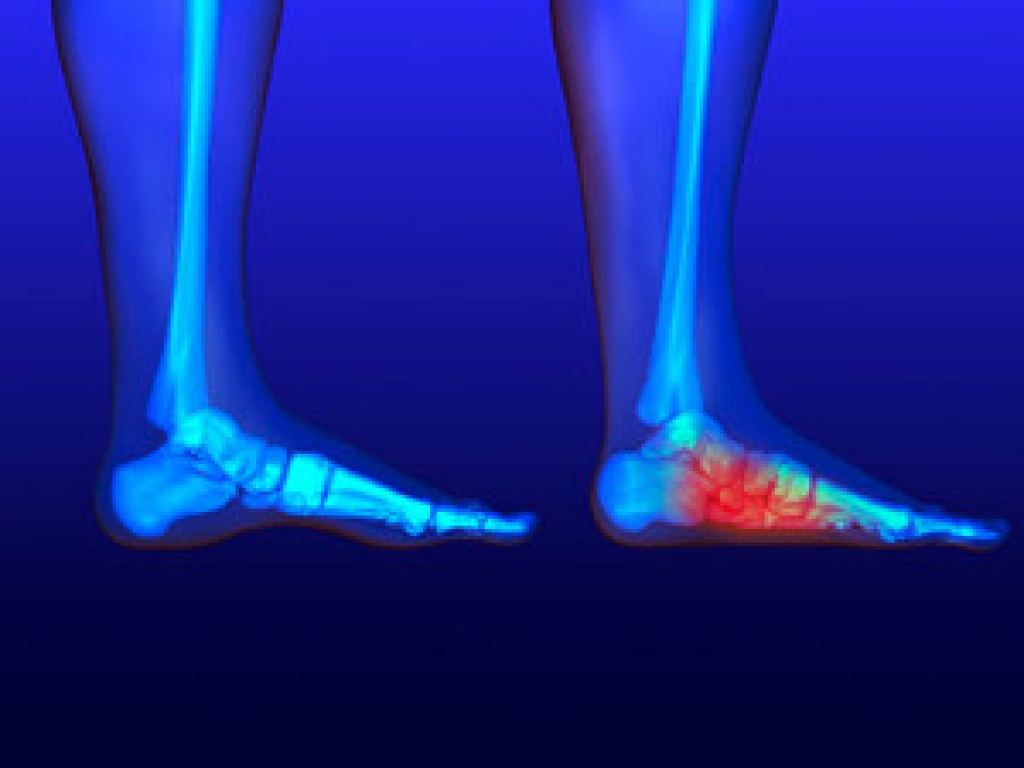 When the foot lies completely on the floor while standing barefoot, it may indicate a condition known as pes planus, or flat feet. The gap that is normally found between the arch and floor is nonexistent, which may affect the natural gait. Flat feet can occur from genetic reasons or possibly from an injury. In addition, certain medical conditions may cause flat feet to develop. These include cerebral palsy, diabetes, or obesity, which may affect the nerves. Symptoms typically associated with flat feet include pain in the heel and arch area, foot fatigue, and difficulty stand for long periods. A podiatrist can prescribe custom orthotics for arch support, along with stretches that can help to strengthen the feet. If you have flat feet that are causing problems, it is suggested that you make an appointment with a podiatrist for a exam and treatment options.
Flatfoot is a condition many people suffer from. If you have flat feet, contact Hadryan Vaughn, DPM from Vaughn Podiatry Center. Our doctor will treat your foot and ankle needs.
What Are Flat Feet?
Flatfoot is a condition in which the arch of the foot is depressed and the sole of the foot is almost completely in contact with the ground. About 20-30% of the population generally has flat feet because their arches never formed during growth.
Conditions & Problems:
Having flat feet makes it difficult to run or walk because of the stress placed on the ankles.
Alignment – The general alignment of your legs can be disrupted, because the ankles move inward which can cause major discomfort.
Knees – If you have complications with your knees, flat feet can be a contributor to arthritis in that area.
Symptoms
Treatment
If you are experiencing pain and stress on the foot you may weaken the posterior tibial tendon, which runs around the inside of the ankle.
If you have any questions, please feel free to contact our office located in Montgomery, AL . We offer the newest diagnostic and treatment technologies for all your foot care needs.
