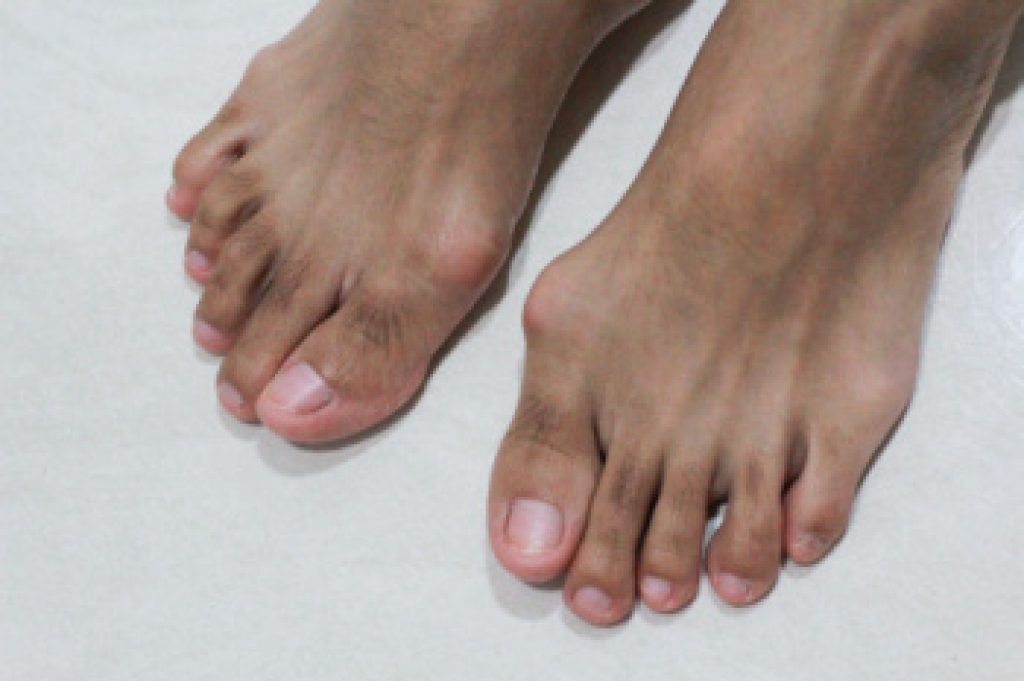
Foot arthritis develops when joints in the feet become inflamed or damaged, making walking and everyday activities uncomfortable. It can affect the toes, midfoot, or ankle, depending on the type and location of the joint changes. Common symptoms include pain during movement, stiffness after resting, and swelling around affected joints. Some people also notice warmth or difficulty fitting into their usual shoes. Arthritis may develop gradually or appear after an illness or injury. Risk factors include aging, family history, and certain medical conditions. Understanding the type of foot arthritis you have can help a podiatrist recommend appropriate treatment and protect your mobility.
Osteoarthritis is a common type that develops when protective cartilage wears down over time. This can cause stiffness and discomfort, especially during walking. Psoriatic arthritis is an inflammatory condition linked to psoriasis, a disease that affects the skin and sometimes the nails. It may cause swollen toes, joint pain, and stiffness that is worse in the morning. Genetics and immune system activity contribute to its development. Gout occurs when uric acid crystals collect inside a joint, often affecting the big toe. It can cause sudden, intense pain with redness and swelling. Risk factors include elevated uric acid, kidney problems, and certain medications. Each type affects the foot differently, so accurate diagnosis matters.
Reactive arthritis develops after certain infections, often involving the digestive or urinary system. The immune response can trigger joint inflammation, including in the feet and ankles. Symptoms may include tenderness, swelling, and pain when bearing weight. Risk factors include recent bacterial infections and individual immune responses. Although symptoms sometimes improve over time, ongoing inflammation can affect walking and daily comfort. Foot arthritis can also result from previous fractures or repeated joint stress, which may damage cartilage. Because different conditions can cause similar symptoms, a podiatrist may review your medical history, examine your joints, and recommend X-rays or blood tests when needed. Do not assume every painful or swollen toe is caused by the same type of arthritis.
A podiatrist develops a treatment plan based on the specific diagnosis and severity of symptoms. Care may include wearing supportive footwear, custom orthotics, and medication recommendations to reduce pain or inflammation. For gout, a podiatrist may also address uric acid levels. Early care can help preserve joint function and reduce discomfort during walking. Seek prompt medical attention for sudden severe joint pain, particularly when the joint is hot or red and you have a fever. If you experience symptoms of foot arthritis, it is suggested that you are under the care of a podiatrist who can help you to manage this condition.
Arthritis can be a difficult condition to live with. If you are seeking treatment, contact Hadryan Vaughn, DPM from Vaughn Podiatry Center. Our doctor can provide the care you need to keep you pain-free and on your feet.
Arthritic Foot Care
Arthritis is a term that is commonly used to describe joint pain. The condition itself can occur to anyone of any age, race, or gender, and there are over 100 types of it. Nevertheless, arthritis is more commonly found in women compared to men, and it is also more prevalent in those who are overweight. The causes of arthritis vary depending on which type of arthritis you have. Osteoarthritis for example, is often caused by injury, while rheumatoid arthritis is caused by a misdirected immune system.
Symptoms
- Swelling
- Pain
- Stiffness
- Decreased Range of Motion
Arthritic symptoms range in severity, and they may come and go. Some symptoms stay the same for several years but could potentially get worse with time. Severe cases of arthritis can prevent its sufferers from performing daily activities and make walking difficult.
Risk Factors
- Occupation – Occupations requiring repetitive knee movements have been linked to osteoarthritis
- Obesity – Excess weight can contribute to osteoarthritis development
- Infection – Microbial agents can infect the joints and trigger arthritis
- Joint Injuries – Damage to joints may lead to osteoarthritis
- Age – Risk increases with age
- Gender –Most types are more common in women
- Genetics – Arthritis can be hereditary
If you suspect your arthritis is affecting your feet, it is crucial that you see a podiatrist immediately. Your doctor will be able to address your specific case and help you decide which treatment method is best for you.
If you have any questions please feel free to contact our office located in Montgomery, AL . We offer the newest diagnostic tools and technology to treat your foot and ankle needs.