Why Diabetic Foot Care Exams Matter

Diabetic foot care exams play an important role in preventing serious complications for people with diabetes. Ongoing high blood sugar can cause nerve damage and poor circulation, leading to numbness, tingling, burning, or slow-healing wounds. Feet may look dry, cracked, or swollen. Sometimes they develop pressure points and ulcers. Because sensation may be reduced, the feet might not feel pain even when injury or infection is present. A podiatrist can help from the start by performing a thorough exam that evaluates skin health, circulation, nerve function, and nail condition. Early diagnosis allows for timely treatment, such as nail and callus care, wound management, and footwear guidance. Ongoing exams help monitor changes and reduce the risk of infection or ulcers. If you have diabetes and are experiencing foot problems, it is suggested that you make an appointment with a podiatrist.

Diabetic foot care is important in preventing foot ailments such as ulcers. If you are suffering from diabetes or have any other concerns about your feet, contact Hadryan Vaughn, DPM from Vaughn Podiatry Center. Our doctor can provide the care you need to keep you pain-free and on your feet.

Diabetic Foot Care

Diabetes affects millions of people every year. The condition can damage blood vessels in many parts of the body, especially the feet. Because of this, taking care of your feet is essential if you have diabetes, and having a podiatrist help monitor your foot health is highly recommended.

The Importance of Caring for Your Feet

  • Routinely inspect your feet for bruises or sores.
  • Wear socks that fit your feet comfortably.
  • Wear comfortable shoes that provide adequate support.

Patients with diabetes should have their doctor monitor their blood levels, as blood sugar levels play such a huge role in diabetic care. Monitoring these levels on a regular basis is highly advised.

It is always best to inform your healthcare professional of any concerns you may have regarding your feet, especially for diabetic patients. Early treatment and routine foot examinations are keys to maintaining proper health, especially because severe complications can arise if proper treatment is not applied.

If you have any questions, please feel free to contact our office located in Montgomery, AL . We offer the newest diagnostic and treatment technologies for all your foot care needs.

Read more about Diabetic Foot Care

Metatarsal Fractures and How They Affect Your Steps

A metatarsal fracture is a break in one of the long bones across the front of the foot, and it can happen from a sudden injury, twisting the foot, or repetitive stress that gradually weakens the bone. Because these bones help support body weight with each step, even a minor fracture can lead to swelling, bruising, sharp discomfort while walking, or difficulty bearing weight. Some fractures appear suddenly, while others develop slowly in active individuals as a dull ache that becomes harder to ignore. Prompt evaluation is important because each fracture pattern requires a specific approach, ranging from rest and supportive footwear to immobilization or more advanced treatment. Delaying care may affect healing and prolong pain. If you have ongoing pain in the forefoot after an injury or repeated activity, it is suggested tat you see a podiatrist for an accurate diagnosis and a treatment plan that encourages safe, steady healing.

Foot Pain

Foot pain can be extremely painful and debilitating. If you have a foot pain, consult with Hadryan Vaughn, DPM from Vaughn Podiatry Center. Our doctor will assess your condition and provide you with quality foot and ankle treatment.

Causes

Foot pain is a very broad condition that could be caused by one or more ailments. The most common include:

  • Bunions
  • Hammertoes
  • Plantar Fasciitis
  • Bone Spurs
  • Corns
  • Tarsal Tunnel Syndrome
  • Ingrown Toenails
  • Arthritis (such as Gout, Rheumatoid, and Osteoarthritis)
  • Flat Feet
  • Injury (from stress fractures, broken toe, foot, ankle, Achilles tendon ruptures, and sprains)
  • And more

Diagnosis

To figure out the cause of foot pain, podiatrists utilize several different methods. This can range from simple visual inspections and sensation tests to X-rays and MRI scans. Prior medical history, family medical history, and any recent physical traumatic events will all be taken into consideration for a proper diagnosis.

Treatment

Treatment depends upon the cause of the foot pain. Whether it is resting, staying off the foot, or having surgery; podiatrists have a number of treatment options available for foot pain.

If you have any questions, please feel free to contact our office located in Montgomery, AL . We offer the newest diagnostic and treatment technologies for all your foot care needs.
Read more about Foot Pain

Causes and Risk Factors of Ingrown Toenails

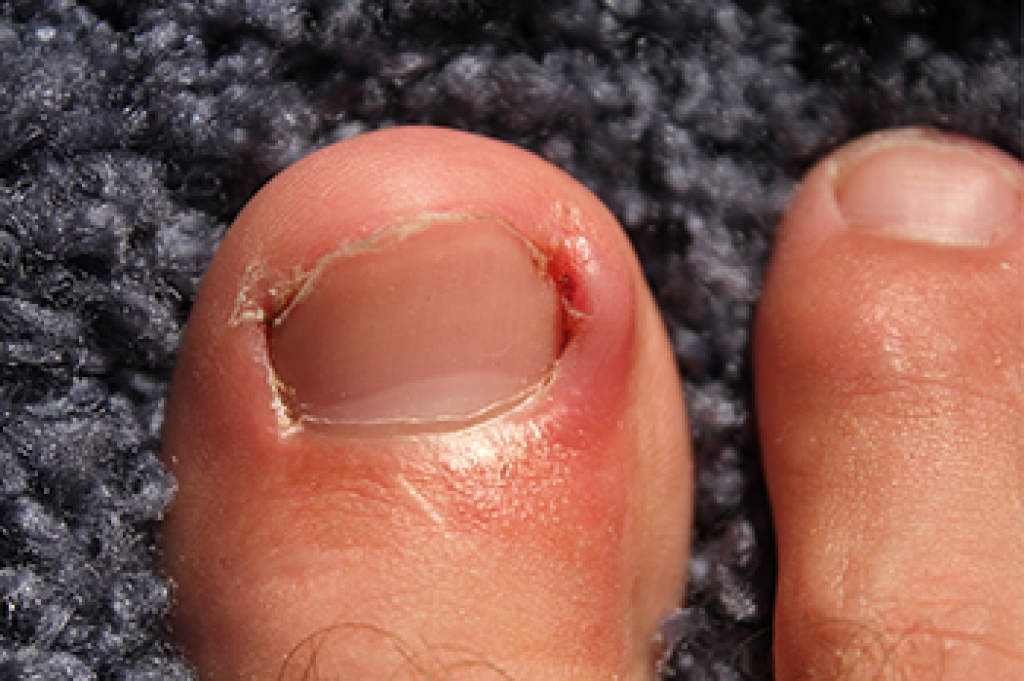
Ingrown toenails, medically known as onychocryptosis, occur when the edge of a toenail grows into the surrounding skin, causing pain, swelling, and sometimes infection. Common causes include improper nail trimming, wearing tight or poorly fitting shoes, repeated trauma, and genetic nail shape. Symptoms often include redness, tenderness, swelling, and, in severe cases, pus or drainage. Risk factors include diabetes, poor circulation, and participation in activities that place pressure on the toes. If left untreated, ingrown toenails can lead to chronic discomfort and infection. A podiatrist can provide safe nail care, remove problematic nail portions, recommend proper trimming techniques, and suggest protective footwear or orthotics to prevent recurrence. Ingrown toenails can be painful. If you have developed this condition, it is suggested that you promptly consult a podiatrist who can offer effective treatment solutions, which may include minor surgery for partial removal.

Ingrown toenails can become painful if they are not treated properly. For more information about ingrown toenails, contact Hadryan Vaughn, DPM of Vaughn Podiatry Center. Our doctor can provide the care you need to keep you pain-free and on your feet.

Ingrown Toenails

Ingrown toenails occur when a toenail grows sideways into the bed of the nail, causing pain, swelling, and possibly infection.

Causes

  • Bacterial infections
  • Improper nail cutting such as cutting it too short or not straight across
  • Trauma to the toe, such as stubbing, which causes the nail to grow back irregularly
  • Ill-fitting shoes that bunch the toes too close together
  • Genetic predisposition

Prevention

Wearing proper fitting shoes and using proper cutting techniques will also help decrease your risk of developing ingrown toenails.

Treatment

Ingrown toenails are a very treatable foot condition. In minor cases, soaking the affected area in salt or antibacterial soaps will not only help with the ingrown nail itself, but also help prevent any infections from occurring. In more severe cases, surgery is an option. In either case, speaking to your podiatrist about this condition will help you get a better understanding of specific treatment options that are right for you.

If you have any questions, please feel free to contact our office located in Montgomery, AL . We offer the newest diagnostic and treatment technologies for all your foot care needs.

Read more about Ingrown Toenails

Athlete’s Foot and Podiatric Treatment Options

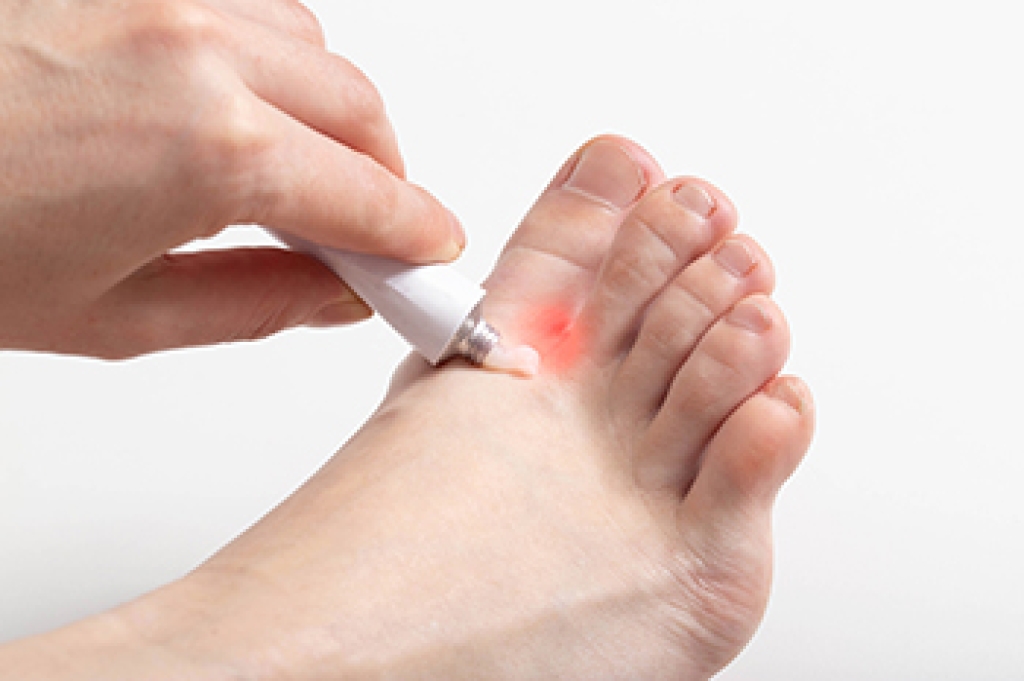
Athlete’s foot is a common fungal skin infection that affects the feet, particularly the areas between the toes and the soles. It develops when fungi thrive in warm and moist environments, leading to irritation of the skin. Symptoms often include itching, burning, redness, peeling, and occasional blistering. Risk factors include excessive sweating, wearing tight or non-breathable footwear, walking barefoot in public areas, and having a weakened immune system. Causes may involve prolonged moisture exposure, poor foot hygiene, or contact with contaminated surfaces. A podiatrist can help by accurately diagnosing the condition and prescribing effective antifungal treatments. If you notice persistent itching or skin changes on your feet, it is suggested that you consult a podiatrist who can offer effective relief and treatment solutions.

Athlete’s Foot

Athlete’s foot is often an uncomfortable condition to experience. Thankfully, podiatrists specialize in treating athlete’s foot and offer the best treatment options. If you have any questions about athlete’s foot, consult with Hadryan Vaughn, DPM from Vaughn Podiatry Center. Our doctor will assess your condition and provide you with quality treatment.

What Is Athlete’s Foot?

Tinea pedis, more commonly known as athlete’s foot, is a non-serious and common fungal infection of the foot. Athlete’s foot is contagious and can be contracted by touching someone who has it or infected surfaces. The most common places contaminated by it are public showers, locker rooms, and swimming pools. Once contracted, it grows on feet that are left inside moist, dark, and warm shoes and socks.

Prevention

The most effective ways to prevent athlete’s foot include:

  • Thoroughly washing and drying feet
  • Avoid going barefoot in locker rooms and public showers
  • Using shower shoes in public showers
  • Wearing socks that allow the feet to breathe
  • Changing socks and shoes frequently if you sweat a lot

Symptoms

Athlete’s foot initially occurs as a rash between the toes. However, if left undiagnosed, it can spread to the sides and bottom of the feet, toenails, and if touched by hand, the hands themselves. Symptoms include:

  • Redness
  • Burning
  • Itching
  • Scaly and peeling skin

Diagnosis and Treatment

Diagnosis is quick and easy. Skin samples will be taken and either viewed under a microscope or sent to a lab for testing. Sometimes, a podiatrist can diagnose it based on simply looking at it. Once confirmed, treatment options include oral and topical antifungal medications.

If you have any questions, please feel free to contact our office located in Montgomery, AL . We offer the newest diagnostic and treatment technologies for all your foot care needs.

Read more about How to Deal with Athlete's Foot
scroll to top