
If left untreated, an ingrown toenail can lead to more serious concerns, such as an infection. Knowing proper nail care can help in the prevention of an ingrown toenail. Give us a call, and get treated!
If left untreated, an ingrown toenail can lead to more serious concerns, such as an infection. Knowing proper nail care can help in the prevention of an ingrown toenail. Give us a call, and get treated!
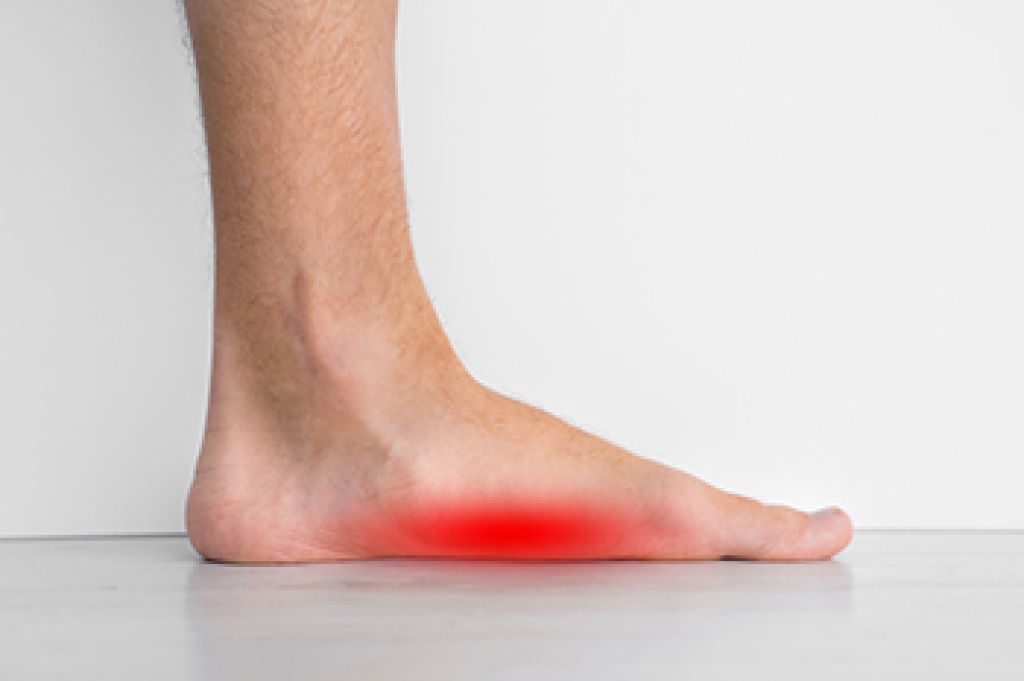
Flat feet occur when the arches of the feet collapse or do not develop fully, causing the entire sole to touch the ground. This condition can be present from childhood or develop later due to aging, injury, obesity, or weakened tendons. Risk factors include prolonged standing, high impact activities, and certain medical conditions that affect joint strength. Flat feet may lead to pain, swelling, and changes in walking that can affect the ankles, knees, and hips. A podiatrist can assess foot structure, provide custom orthotics, recommend supportive shoes, and guide exercises that strengthen the arch. If your flat feet are painful, it is suggested that you consult a podiatrist who can offer you effective relief and management tips.
Flatfoot is a condition many people suffer from. If you have flat feet, contact Hadryan Vaughn, DPM from Vaughn Podiatry Center. Our doctor will treat your foot and ankle needs.
What Are Flat Feet?
Flatfoot is a condition in which the arch of the foot is depressed and the sole of the foot is almost completely in contact with the ground. About 20-30% of the population generally has flat feet because their arches never formed during growth.
Conditions & Problems:
Having flat feet makes it difficult to run or walk because of the stress placed on the ankles.
Alignment – The general alignment of your legs can be disrupted, because the ankles move inward which can cause major discomfort.
Knees – If you have complications with your knees, flat feet can be a contributor to arthritis in that area.
Symptoms
Treatment
If you are experiencing pain and stress on the foot you may weaken the posterior tibial tendon, which runs around the inside of the ankle.
If you have any questions, please feel free to contact our office located in Montgomery, AL . We offer the newest diagnostic and treatment technologies for all your foot care needs.
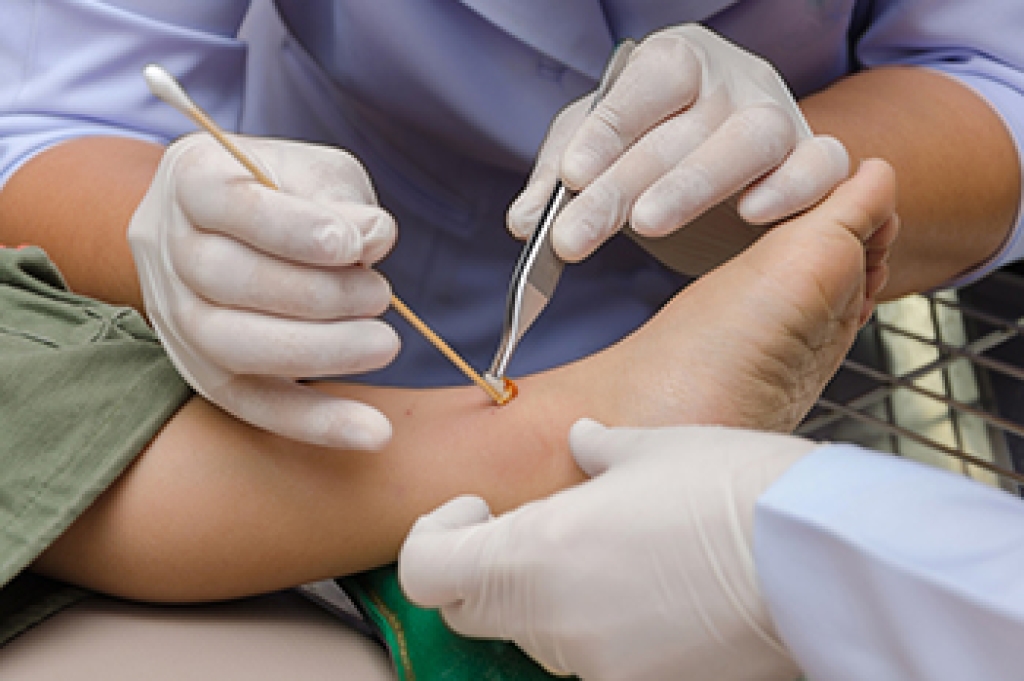
Wounds on the feet can take longer to heal than injuries in other areas because of constant pressure, friction from shoes, and the distance from the heart, which can affect circulation. Even a small cut or blister can become a concern if it is not cared for promptly, especially for individuals with diabetes, poor circulation, or nerve changes that reduce sensation. Keeping the area clean, protected, and free from pressure allows new tissue to form more effectively. Paying attention to signs such as redness, warmth, swelling, or drainage helps catch problems early before the wound becomes deeper or infected. Choosing supportive footwear and monitoring the skin daily can make a meaningful difference in recovery. If a wound does not show steady improvement or becomes more painful, it is suggested that you schedule an appointment with a podiatrist for a proper assessment and appropriate care.
Wound care is an important part in dealing with diabetes. If you have diabetes and a foot wound or would like more information about wound care for diabetics, consult with Hadryan Vaughn, DPM from Vaughn Podiatry Center. Our doctor will assess your condition and provide you with quality foot and ankle treatment.
What Is Wound Care?
Wound care is the practice of taking proper care of a wound. This can range from the smallest to the largest of wounds. While everyone can benefit from proper wound care, it is much more important for diabetics. Diabetics often suffer from poor blood circulation which causes wounds to heal much slower than they would in a non-diabetic.
What Is the Importance of Wound Care?
While it may not seem apparent with small ulcers on the foot, for diabetics, any size ulcer can become infected. Diabetics often also suffer from neuropathy, or nerve loss. This means they might not even feel when they have an ulcer on their foot. If the wound becomes severely infected, amputation may be necessary. Therefore, it is of the upmost importance to properly care for any and all foot wounds.
How to Care for Wounds
The best way to care for foot wounds is to prevent them. For diabetics, this means daily inspections of the feet for any signs of abnormalities or ulcers. It is also recommended to see a podiatrist several times a year for a foot inspection. If you do have an ulcer, run the wound under water to clear dirt from the wound; then apply antibiotic ointment to the wound and cover with a bandage. Bandages should be changed daily and keeping pressure off the wound is smart. It is advised to see a podiatrist, who can keep an eye on it.
If you have any questions please contact our office located in Montgomery, AL . We offer the newest diagnostic and treatment technologies for all your foot and ankle needs.
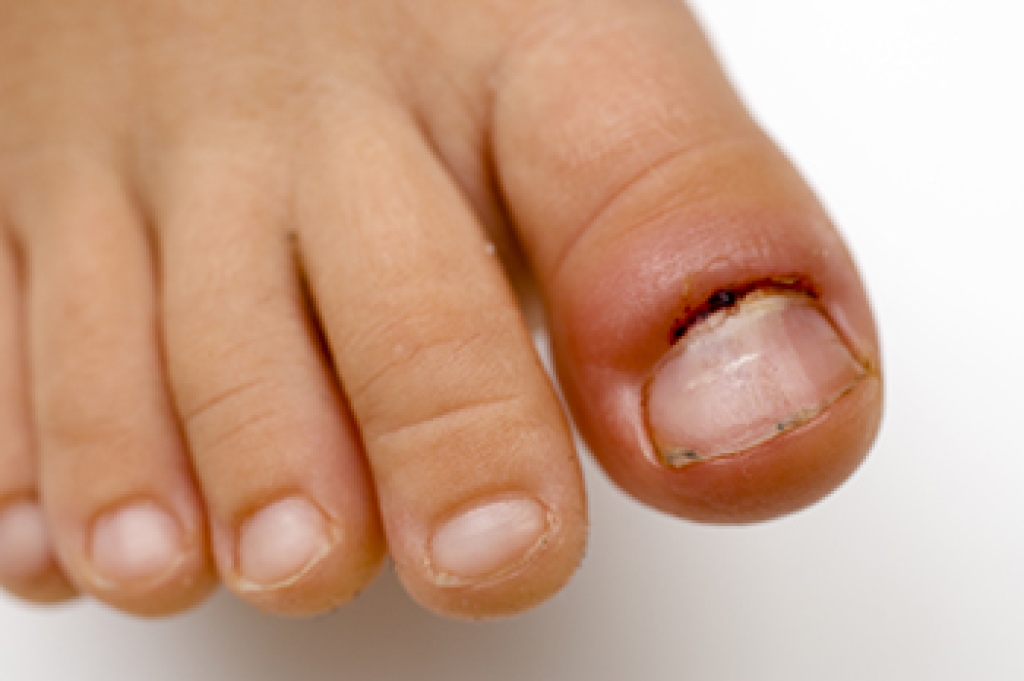
A toe infection occurs when bacteria, fungi, or other microorganisms enter the skin or nail, leading to inflammation and discomfort. Common causes include an injury that breaks the skin, natural nail growth that becomes trapped in the surrounding tissue, or an underlying medical condition that weakens the skin or immune system. Symptoms may include redness, swelling, throbbing pain, warmth, drainage, or difficulty wearing shoes comfortably. A podiatrist can evaluate the infection, clean the affected area, prescribe medication, and provide guidance to prevent future problems. Prompt treatment reduces the risk of spreading or more serious complications. If you notice signs of a toe infection, it is suggested that you promptly schedule an appointment with a podiatrist who can offer effective relief and treatment solutions.
Toe pain can disrupt your daily activities. If you have any concerns, contact Hadryan Vaughn, DPM of Vaughn Podiatry Center. Our doctor can provide the care you need to keep you pain-free and on your feet.
What Causes Toe Pain?
Most severe toe pain is caused due to a sports injury, trauma from dropping something heavy on the toe, or bumping into something rigid. Other problems can develop over time for various reasons.
Toe pain can be caused by one or more ailments. The most common include:
When to See a Podiatrist
Diagnosis
In many cases the cause of toe pain is obvious, but in others, a podiatrist may want to use more advanced methods to determine the problem. These can range from simple visual inspections and sensation tests to X-rays and MRI scans. Prior medical history, family medical history, and any recent physical traumatic events will all be taken into consideration for a proper diagnosis.
Treatment
Treatments for toe pain and injuries vary and may include shoe inserts, padding, taping, medicines, injections, and in some cases, surgery. If you believe that you have broken a toe, please see a podiatrist as soon as possible.
If you have any questions please contact our office located in Montgomery, AL . We offer the newest diagnostic and treatment technologies for all your foot and ankle needs.
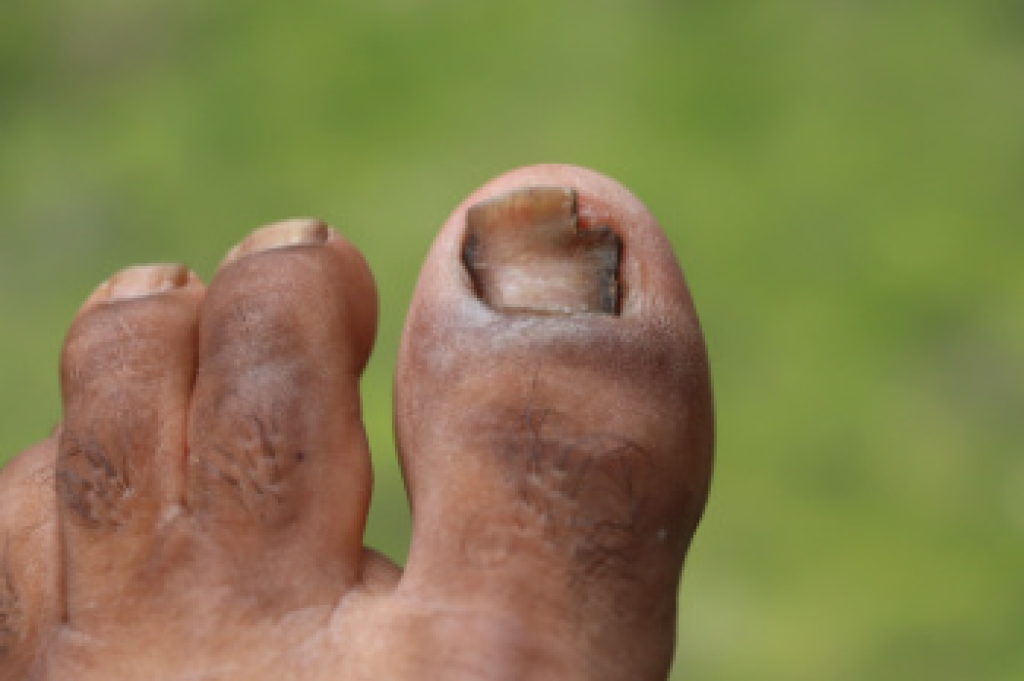
Toenail fungus, also known as onychomycosis, is caused by fungal organisms that infect the nail bed, often thriving in warm, moist environments like sweaty socks or communal showers. It may look like thickened, discolored nails that are yellow, white, or brown, sometimes with brittle or crumbly edges. In some cases, the nail may lift from the nail bed, causing discomfort or pressure when wearing shoes. Many individuals notice a change in nail texture and thickness before experiencing pain. Toenail fungus progresses slowly and can take months to become noticeable, making early intervention important for effective treatment. A podiatrist can diagnose onychomycosis through careful examination and sometimes laboratory testing to confirm the specific fungal organism. Treatment options include debridement to reduce nail thickness, prescription topical or oral antifungal medications, and advice on proper nail care and hygiene to prevent recurrence. If you notice persistent changes in your toenails, it is suggested that you make an appointment with a podiatrist.
If left untreated, toenail fungus may spread to other toenails, skin, or even fingernails. If you suspect you have toenail fungus it is important to seek treatment right away. For more information about treatment, contact Hadryan Vaughn, DPM of Vaughn Podiatry Center. Our doctor can provide the care you need to keep you pain-free and on your feet.
Symptoms
Treatment
If self-care strategies and over-the-counter medications does not help your fungus, your podiatrist may give you a prescription drug instead. Even if you find relief from your toenail fungus symptoms, you may experience a repeat infection in the future.
Prevention
In order to prevent getting toenail fungus in the future, you should always make sure to wash your feet with soap and water. After washing, it is important to dry your feet thoroughly especially in between the toes. When trimming your toenails, be sure to trim straight across instead of in a rounded shape. It is crucial not to cover up discolored nails with nail polish because that will prevent your nail from being able to “breathe”.
In some cases, surgical procedure may be needed to remove the toenail fungus. Consult with your podiatrist about the best treatment options for your case of toenail fungus.
If you have any questions please contact our office located in Montgomery, AL . We offer the newest diagnostic and treatment technologies for all your foot and ankle needs.
