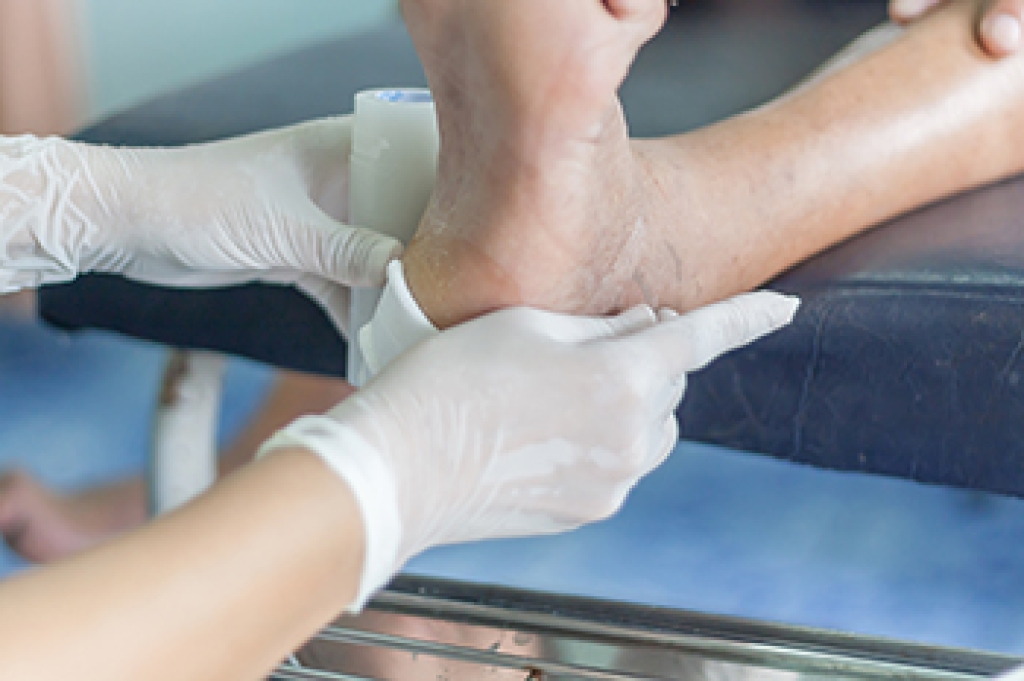
When Foot Injuries Linger and Healing Slows

Most foot wounds heal with time and proper care, but some fail to improve, despite treatment. Poor circulation is a common reason, as reduced blood flow limits oxygen and nutrient delivery needed for healing. Diabetes can also slow recovery by affecting nerves, immune response, and blood vessels, making injuries harder to feel and treat early. Ongoing pressure from walking, wearing ill-fitting shoes, or abnormal foot structure may repeatedly reopen wounds. Infection is another major factor, as bacteria can delay tissue repair and increase inflammation. Certain wounds become chronic when underlying conditions are not addressed. Skin breakdown may continue if pressure points are not offloaded, or if moisture and friction persist. Early evaluation is important to prevent complications. When a foot wound does not show signs of healing or continues to worsen, it is suggested that you see a podiatrist as quickly as possible for appropriate treatment.

Wound care is an important part in dealing with diabetes. If you have diabetes and a foot wound or would like more information about wound care for diabetics, consult with Hadryan Vaughn, DPM from Vaughn Podiatry Center. Our doctor will assess your condition and provide you with quality foot and ankle treatment.

What Is Wound Care?

Wound care is the practice of taking proper care of a wound. This can range from the smallest to the largest of wounds. While everyone can benefit from proper wound care, it is much more important for diabetics. Diabetics often suffer from poor blood circulation which causes wounds to heal much slower than they would in a non-diabetic. 

What Is the Importance of Wound Care?

While it may not seem apparent with small ulcers on the foot, for diabetics, any size ulcer can become infected. Diabetics often also suffer from neuropathy, or nerve loss. This means they might not even feel when they have an ulcer on their foot. If the wound becomes severely infected, amputation may be necessary. Therefore, it is of the upmost importance to properly care for any and all foot wounds.

How to Care for Wounds

The best way to care for foot wounds is to prevent them. For diabetics, this means daily inspections of the feet for any signs of abnormalities or ulcers. It is also recommended to see a podiatrist several times a year for a foot inspection. If you do have an ulcer, run the wound under water to clear dirt from the wound; then apply antibiotic ointment to the wound and cover with a bandage. Bandages should be changed daily and keeping pressure off the wound is smart. It is advised to see a podiatrist, who can keep an eye on it.

If you have any questions please contact our office located in Montgomery, AL . We offer the newest diagnostic and treatment technologies for all your foot and ankle needs.
Read more about Wound Care

Causes and Symptoms of Plantar Fasciitis

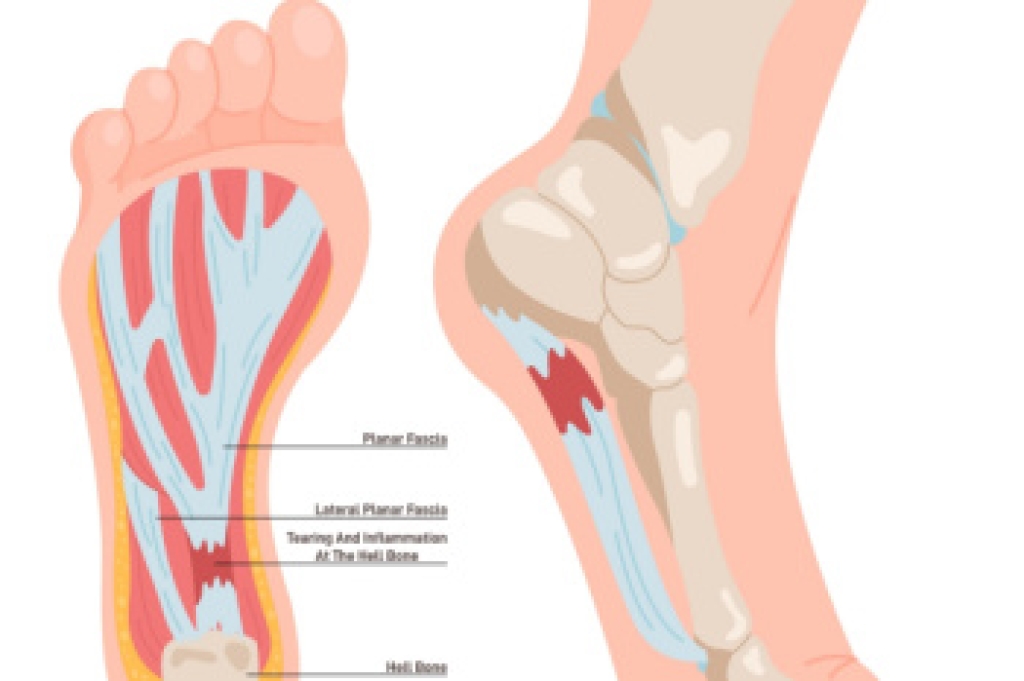
Plantar fasciitis is the inflammation of the thick band of tissue that runs along the bottom of the foot, connecting the heel to the toes. It typically causes sharp pain in the heel, especially with the first steps in the morning or after prolonged periods of rest. Risk factors include obesity, prolonged standing, tight calf muscles, and high-impact repetitive activities like running. Contributing causes include poor footwear, flat feet, or high arches. A podiatrist can evaluate foot structure, recommend custom orthotics, suggest stretching and strengthening exercises, and offer treatments to reduce inflammation and pain. If you have heel pain, it is strongly suggested that you consult a podiatrist who can provide an accurate diagnosis and treatment. 

Plantar fasciitis is a common foot condition that is often caused by a strain injury. If you are experiencing heel pain or symptoms of plantar fasciitis, contact Hadryan Vaughn, DPM from Vaughn Podiatry Center. Our doctor can provide the care you need to keep you pain-free and on your feet.

What Is Plantar Fasciitis?

Plantar fasciitis is one of the most common causes of heel pain. The plantar fascia is a ligament that connects your heel to the front of your foot. When this ligament becomes inflamed, plantar fasciitis is the result. If you have plantar fasciitis you will have a stabbing pain that usually occurs with your first steps in the morning. As the day progresses and you walk around more, this pain will start to disappear, but it will return after long periods of standing or sitting.

What Causes Plantar Fasciitis?

  • Excessive running
  • Having high arches in your feet
  • Other foot issues such as flat feet
  • Pregnancy (due to the sudden weight gain)
  • Being on your feet very often

There are some risk factors that may make you more likely to develop plantar fasciitis compared to others. The condition most commonly affects adults between the ages of 40 and 60. It also tends to affect people who are obese because the extra pounds result in extra stress being placed on the plantar fascia.

Prevention

  • Take good care of your feet – Wear shoes that have good arch support and heel cushioning.
  • Maintain a healthy weight
  • If you are a runner, alternate running with other sports that won’t cause heel pain

There are a variety of treatment options available for plantar fasciitis along with the pain that accompanies it. Additionally, physical therapy is a very important component in the treatment process. It is important that you meet with your podiatrist to determine which treatment option is best for you.

If you have any questions, please feel free to contact our office located in Montgomery, AL . We offer the newest diagnostic and treatment technologies for all your foot care needs.


Read more about Plantar Fasciitis

Causes and Symptoms of Cuboid Syndrome

Cuboid syndrome is a foot condition that results from a subtle injury to the calcaneocuboid joint, on the outer side of the midfoot, where the heel bone meets the cuboid bone, and leading to pain along the outer side of the foot and difficulty with normal walking. It often develops after an ankle sprain, overuse, or repetitive strain that affects joint alignment and surrounding soft tissues. Common symptoms include pain, tenderness, swelling, and discomfort that worsens with weight-bearing activity. Risk factors include high impact sports, flat feet, wearing improper footwear, and previous foot or ankle injuries. A podiatrist can diagnose cuboid syndrome through clinical evaluation and restore joint alignment with manual techniques, along with recommending supportive footwear and orthotics. If you have pain on the outside of your foot, it is suggested that you consult a podiatrist to relieve discomfort and prevent ongoing instability.

Cuboid syndrome, also known as cuboid subluxation, occurs when the joints and ligaments near the cuboid bone in the foot become torn. If you have cuboid syndrome, consult with Hadryan Vaughn, DPM from Vaughn Podiatry Center. Our doctor will assess your condition and provide you with quality foot and ankle treatment.

Cuboid syndrome is a common cause of lateral foot pain, which is pain on the outside of the foot. The condition may happen suddenly due to an ankle sprain, or it may develop slowly overtime from repetitive tension through the bone and surrounding structures.

Causes

The most common causes of cuboid syndrome include:

  • Injury – The most common cause of this ailment is an ankle sprain.
  • Repetitive Strain – Tension placed through the peroneus longus muscle from repetitive activities such as jumping and running may cause excessive traction on the bone causing it to sublux.
  • Altered Foot Biomechanics – Most people suffering from cuboid subluxation have flat feet.

Symptoms

A common symptom of cuboid syndrome is pain along the outside of the foot which can be felt in the ankle and toes. This pain may create walking difficulties and may cause those with the condition to walk with a limp.

Diagnosis

Diagnosis of cuboid syndrome is often difficult, and it is often misdiagnosed. X-rays, MRIs and CT scans often fail to properly show the cuboid subluxation. Although there isn’t a specific test used to diagnose cuboid syndrome, your podiatrist will usually check if pain is felt while pressing firmly on the cuboid bone of your foot.

Treatment

Just as the range of causes varies widely, so do treatments. Some more common treatments are ice therapy, rest, exercise, taping, and orthotics.

If you have any questions, please feel free to contact our office located in Montgomery, AL . We offer the newest diagnostic and treatment technologies for all your foot care needs.

Read more about All About Cuboid Syndrome

Ankle Fracture? Don’t Wait for Treatment

If you're suffering from an ankle fracture, professional attention shouldn't wait. Fractures may worsen over time and can make completing everyday activities incredibly difficult. See your specialist for treatment and guidance through the healing process. 

Why Do Corns Form and How Can They Be Treated?

Corns are thickened areas of skin that develop when repeated pressure or friction causes the body to protect itself. They often form on toes or areas that rub against footwear or other toes, and they may feel painful when walking. Hard corns usually appear on the tops or sides of toes, while soft corns tend to develop between toes where moisture is present. Although corns may seem minor, they can worsen over time and interfere with gait. A podiatrist can identify the underlying cause, such as foot structure, abnormal pressure points, or improper footwear, and determine the exact type of corn present. Treatment of corns includes safe removal of thickened skin, pressure redistribution, and recommendations to reduce recurring friction. Addressing corns early can reduce ongoing discomfort. For help with safely managing a painful corn, it is suggested that you make an appointment with a podiatrist.

If you have any concerns regarding your feet and ankles, contact Hadryan Vaughn, DPM of Vaughn Podiatry Center. Our doctor will treat your foot and ankle needs.

Corns: What Are They? and How Do You Get Rid of Them?
Corns can be described as areas of the skin that have thickened to the point of becoming painful or irritating. They are often layers and layers of the skin that have become dry and rough, and are normally smaller than calluses.

Ways to Prevent Corns
There are many ways to get rid of painful corns such as wearing:

  • Well-fitting socks
  • Comfortable shoes that are not tight around your foot
  • Shoes that offer support

Treating Corns
Treatment of corns involves removing the dead skin that has built up in the specific area of the foot. Consult with Our doctor to determine the best treatment option for your case of corns.

If you have any questions, please feel free to contact our office located in Montgomery, AL . We offer the newest diagnostic and treatment technologies for all your foot care needs.

Read more about Corns: What Are They, and How Do You Get Rid of Them
scroll to top