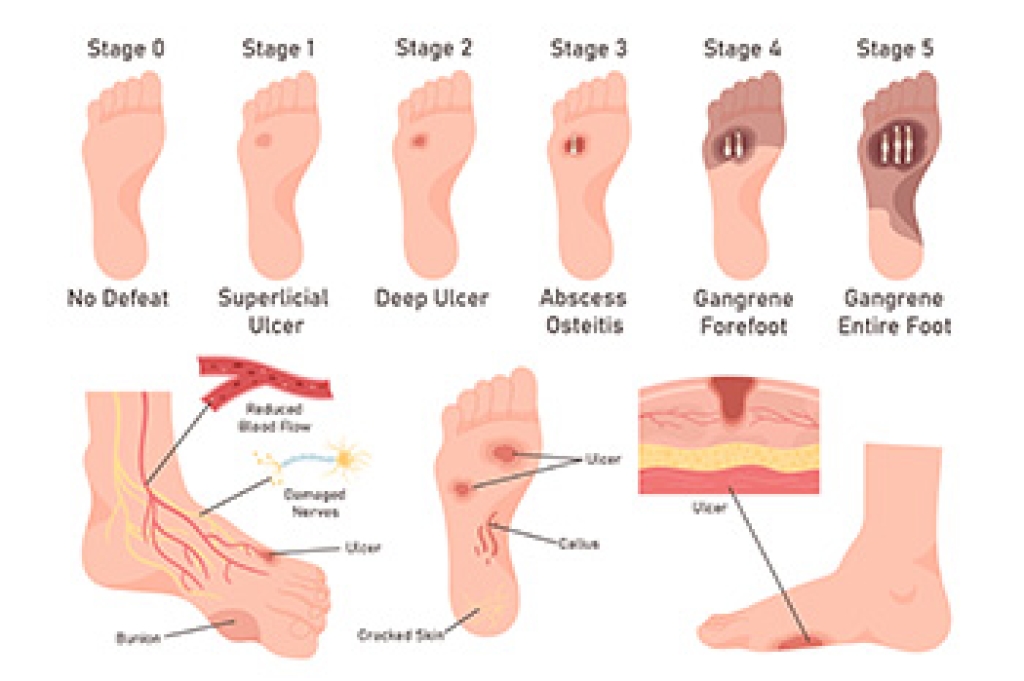
How Everyday Injuries Can Lead to Diabetic Foot Ulcers

Foot ulcers are a serious concern for people living with diabetes. Many of these wounds begin with a simple injury to the foot. A small cut, blister, burn, or pressure from wearing tight shoes can damage the skin. Because diabetes can reduce feeling in the feet, a person may not notice the injury right away. Continued walking or pressure on the area can cause the skin to break down and develop into an open sore. Sharp objects, rubbing from footwear, or repeated stress during daily activity can all trigger these wounds. Once the skin is damaged, healing may be slow, which increases the risk of infection and more serious complications. Daily foot checks, supportive footwear, and quick care for even minor injuries can help prevent problems. If you have diabetes and notice any sore or redness, it is suggested that you visit a podiatrist for prompt evaluation and appropriate treatment.

Diabetic foot care is important in preventing foot ailments such as ulcers. If you are suffering from diabetes or have any other concerns about your feet, contact Hadryan Vaughn, DPM from Vaughn Podiatry Center. Our doctor can provide the care you need to keep you pain-free and on your feet.

Diabetic Foot Care

Diabetes affects millions of people every year. The condition can damage blood vessels in many parts of the body, especially the feet. Because of this, taking care of your feet is essential if you have diabetes, and having a podiatrist help monitor your foot health is highly recommended.

The Importance of Caring for Your Feet

  • Routinely inspect your feet for bruises or sores.
  • Wear socks that fit your feet comfortably.
  • Wear comfortable shoes that provide adequate support.

Patients with diabetes should have their doctor monitor their blood levels, as blood sugar levels play such a huge role in diabetic care. Monitoring these levels on a regular basis is highly advised.

It is always best to inform your healthcare professional of any concerns you may have regarding your feet, especially for diabetic patients. Early treatment and routine foot examinations are keys to maintaining proper health, especially because severe complications can arise if proper treatment is not applied.

If you have any questions, please feel free to contact our office located in Montgomery, AL . We offer the newest diagnostic and treatment technologies for all your foot care needs.

Read more about Diabetic Foot Care

What Happens to Your Feet and Ankles When You Run

Running places repeated stress on the feet and ankles, which must absorb force and keep the body balanced with every stride. Each step sends pressure through the heel, arch, and forefoot as the foot strikes the ground and pushes the body forward. The ankle joint bends and stabilizes the leg while muscles and tendons guide movement and protect the joints. The plantar fascia, a strong band of connective tissue that runs along the bottom of the foot from the heel to the toes, supports the arch and helps absorb impact. The Achilles tendon, the thick cord that connects the calf muscles to the heel bone, helps lift the heel during push off. During a run, the foot may absorb forces several times greater than body weight. When running leads to ongoing foot or ankle pain, a podiatric evaluation is suggested for proper diagnosis and appropriate treatment.

Exercising your feet regularly with the proper foot wear is a great way to prevent injuries. If you have any concerns about your feet, contact Hadryan Vaughn, DPM of Vaughn Podiatry Center. Our doctor will treat your foot and ankle needs.

How to Prevent Running Injuries

Many common running injuries are caused by overuse and overtraining. When the back of the kneecap starts wearing out and starts causing pain in your knee, this is commonly referred to as runner’s knee. Runner’s knee is a decrease in strength in your quadriceps and can occur if you’re not wearing properly fitted or supporting shoes. To prevent runner’s knee, focusing on hip strengthening is a good idea, as well as strengthening your quads to keep the kneecaps aligned.

What Are Some Causes of Running Injuries? 
- One cause of a common running injury is called iliotibial band syndrome.
- Plantar fasciitis is also another common injury.
- Stress fractures can occur from overtraining, lack of calcium, or even your running style.

Best Ways to Prevent Running Injuries
- Wear footwear that fits properly and suits your running needs.
- Running shoes are the only protective gear that runners have to safeguard them from injury.
- Make a training schedule. Adding strengthening exercises as well as regular stretching can help keep you strong and limber and can lessen the possibility of injuries.
- Stretching keeps muscles limber; this will help you gain better flexibility.

If you have any questions, please feel free to contact our office located in Montgomery, AL . We offer the newest diagnostic and treatment technologies for all your foot care needs.
Read more about How to Prevent Running Injuries

How The Foot and Ankle Work Together

The foot and ankle form a busy, flexible system that supports you with every step. The ankle acts like a hinge, allowing the foot to move up and down so walking feels smooth and natural. Beneath it, the foot is built from many small bones that fit together like a puzzle, creating strength while still allowing movement. The arch helps absorb shock each time your heel hits the ground, and the toes help push the body forward during the next step. Ligaments hold the bones in place, muscles guide movement, and tendons act like strong cables that lift and lower the foot. When everything works in harmony, the foot and ankle provide balance, stability, and protection during daily activities. If you notice pain, stiffness, or changes in how your foot or ankle moves, it is suggested that you see a podiatrist for a proper evaluation and guidance.

If you have any concerns about your feet, contact Hadryan Vaughn, DPM from Vaughn Podiatry Center. Our doctor can provide the care you need to keep you pain-free and on your feet.

Biomechanics in Podiatry

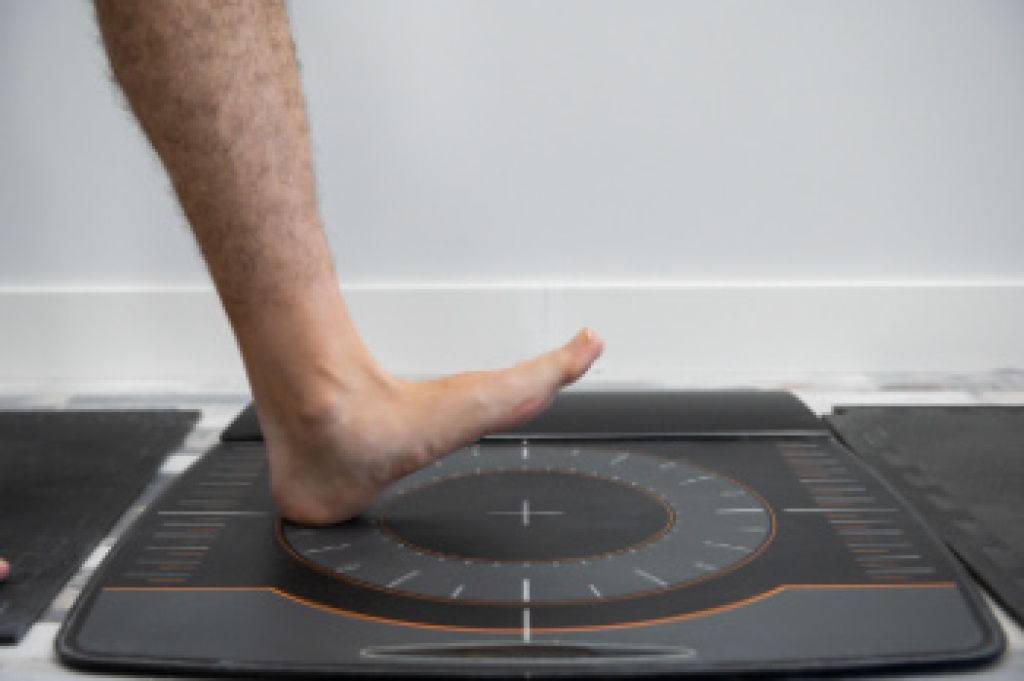
Podiatric biomechanics is a particular sector of specialty podiatry with licensed practitioners who are trained to diagnose and treat conditions affecting the foot, ankle and lower leg. Biomechanics deals with the forces that act against the body, causing an interference with the biological structures. It focuses on the movement of the ankle, the foot and the forces that interact with them.

A History of Biomechanics

  • Biomechanics dates back to the BC era in Egypt where evidence of professional foot care has been recorded.
  • In 1974, biomechanics gained a higher profile from the studies of Merton Root, who claimed that by changing or controlling the forces between the ankle and the foot, corrections or conditions could be implemented to gain strength and coordination in the area.

Modern technological improvements are based on past theories and therapeutic processes that provide a better understanding of podiatric concepts for biomechanics. Computers can provide accurate information about the forces and patterns of the feet and lower legs.

Understanding biomechanics of the feet can help improve and eliminate pain, stopping further stress to the foot.

If you have any questions please feel free to contact our office located in Montgomery, AL . We offer the newest diagnostic and treatment technologies for all your foot and ankle needs.

Read more about Biomechanics in Podiatry

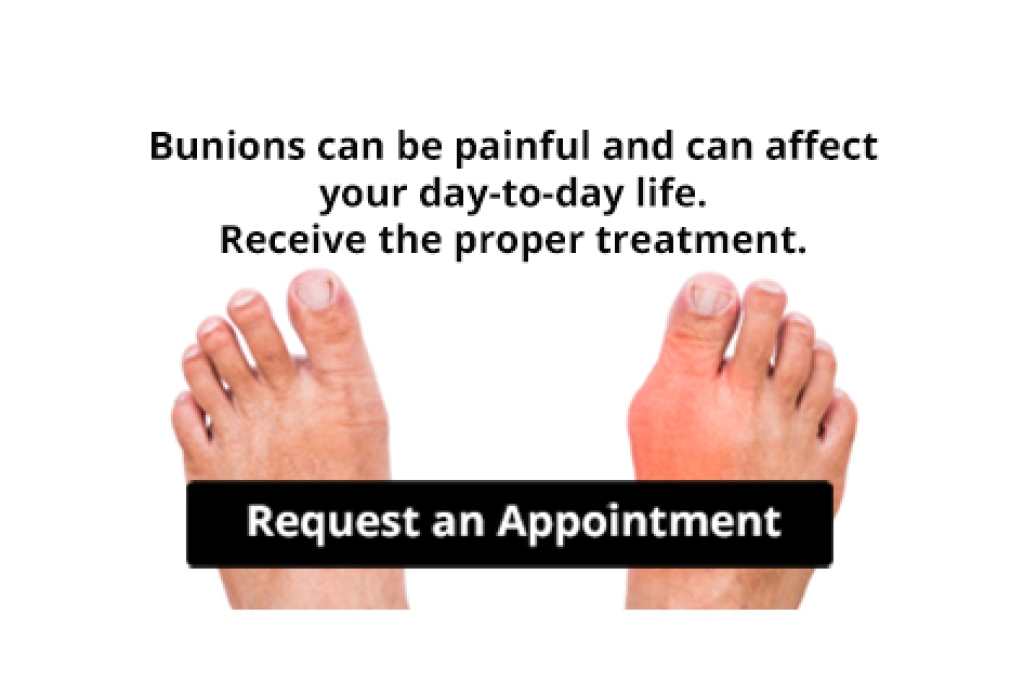
Are Bunions Affecting Your Everyday Life?

Have you noticed a bony protrusion on the side of your big toe? If so, you may have developed the foot condition known as a bunion. Don't let bunions interfere with your daily activities.

When an Ingrown Toenail Turns Into a Bigger Foot Problem

An ingrown toenail often begins with tenderness along the nail edge, but without proper care, it can progress into a painful and complicated condition. As the nail digs into surrounding skin, germs such as bacteria or yeast may enter, leading to swelling, redness, drainage, and increasing discomfort. Repeated inflammation can cause the skin around the nail to thicken and scar, making future episodes more likely. In more advanced cases, infection may spread into deeper tissues or bone, requiring more involved care. People with diabetes are especially vulnerable due to slower healing, reduced circulation, and a higher risk of wounds and tissue damage. Some individuals are also naturally prone to recurring ingrown toenails because of nail shape or genetics, which can interfere with daily comfort and mobility. Because early treatment can prevent serious complications, it is suggested that you see a podiatrist for a diagnosis and appropriate care.

Ingrown toenails may initially present themselves as a minor discomfort, but they may progress into an infection in the skin without proper treatment. For more information about ingrown toenails, contact Hadryan Vaughn, DPM of Vaughn Podiatry Center. Our doctor can provide the care you need to keep you pain-free and on your feet.

Ingrown Toenails

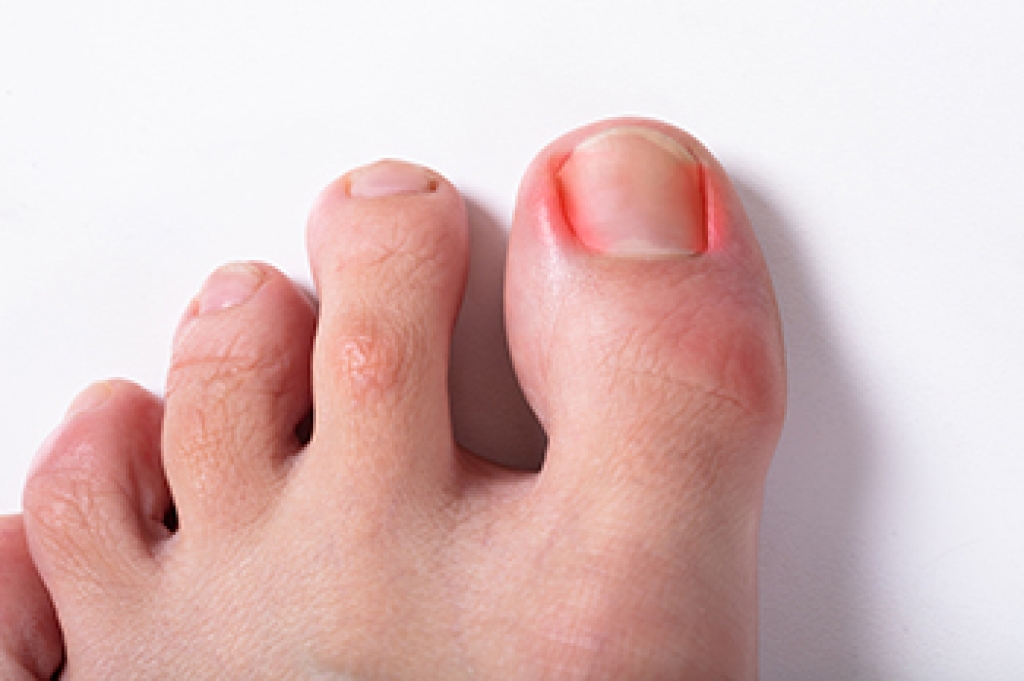
Ingrown toenails are caused when the corner or side of a toenail grows into the soft flesh surrounding it. They often result in redness, swelling, pain, and in some cases, infection. This condition typically affects the big toe and may recur if it is not treated properly.

Causes

  • Improper toenail trimming
  • Genetics
  • Improper shoe fitting
  • Injury from pedicures or nail picking
  • Abnormal gait
  • Poor hygiene

You are more likely to develop an ingrown toenail if you are obese, have diabetes, arthritis, or have any fungal infection in your nails. Additionally, people who have foot or toe deformities are at a higher risk of developing an ingrown toenail.

Symptoms

Some symptoms of ingrown toenails are redness, swelling, and pain. In rare cases, there may be a yellowish drainage coming from the nail.

Treatment

Ignoring an ingrown toenail can have serious complications. Infections of the nail border can progress to a deeper soft-tissue infection, which can then turn into a bone infection. You should always speak with your podiatrist if you suspect you have an ingrown toenail, especially if you have diabetes or poor circulation.

If you have any questions, please feel free to contact our office located in Montgomery, AL . We offer the newest diagnostic and treatment technologies for all your foot care needs.
Read more about Ingrown Toenail Care
scroll to top