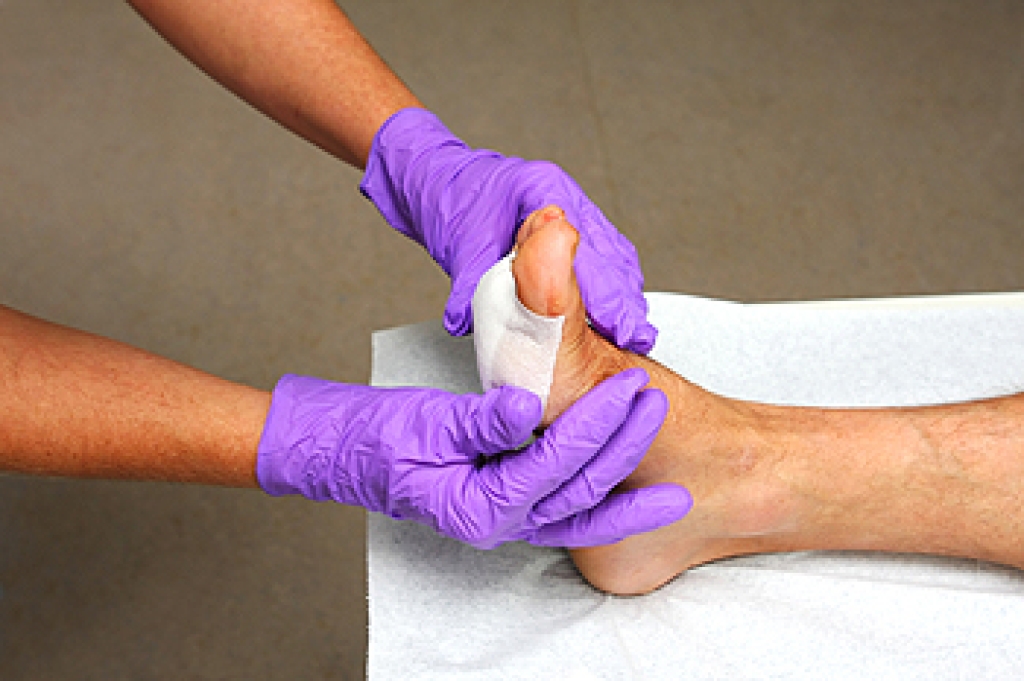
Diabetic Foot Infections Should Never Be Ignored

Diabetic foot infections develop when high blood sugar damages nerves and reduces circulation in the feet, making it harder for small cuts or blisters to heal properly. Many people first notice redness, swelling, drainage, or a sore that becomes painful or develops an unpleasant odor. Some patients feel very little discomfort because nerve damage can limit sensation. Without treatment, the infection may spread into deeper tissue, bone, or surrounding skin. A podiatrist can examine the wound, order imaging tests, clean infected tissue, and recommend advanced wound care or antibiotics when needed. Early treatment often lowers the risk of serious complications, including hospitalization or limb loss. Prompt medical attention can protect mobility and improve long-term health. It is strongly suggested that if you have signs of a diabetic foot infection, you schedule an immediate evaluation with a podiatrist.

Wound care is an important part in dealing with diabetes. If you have diabetes and a foot wound or would like more information about wound care for diabetics, consult with Hadryan Vaughn, DPM from Vaughn Podiatry Center. Our doctor will assess your condition and provide you with quality foot and ankle treatment.

What Is Wound Care?

Wound care is the practice of taking proper care of a wound. This can range from the smallest to the largest of wounds. While everyone can benefit from proper wound care, it is much more important for diabetics. Diabetics often suffer from poor blood circulation which causes wounds to heal much slower than they would in a non-diabetic. 

What Is the Importance of Wound Care?

While it may not seem apparent with small ulcers on the foot, for diabetics, any size ulcer can become infected. Diabetics often also suffer from neuropathy, or nerve loss. This means they might not even feel when they have an ulcer on their foot. If the wound becomes severely infected, amputation may be necessary. Therefore, it is of the upmost importance to properly care for any and all foot wounds.

How to Care for Wounds

The best way to care for foot wounds is to prevent them. For diabetics, this means daily inspections of the feet for any signs of abnormalities or ulcers. It is also recommended to see a podiatrist several times a year for a foot inspection. If you do have an ulcer, run the wound under water to clear dirt from the wound; then apply antibiotic ointment to the wound and cover with a bandage. Bandages should be changed daily and keeping pressure off the wound is smart. It is advised to see a podiatrist, who can keep an eye on it.

If you have any questions please contact our office located in Montgomery, AL . We offer the newest diagnostic and treatment technologies for all your foot and ankle needs.

Read more about Wound Care

Get Professional Care for a Broken Foot or Ankle

Constant care and regular evaluation are important for a foot or ankle fracture. If left untreated, foot or ankle fractures can worsen over time and create more serious problems.

Don't wait to be examined if you believe you've experienced a foot or ankle fracture.

Protecting Foot Health in Diabetics

Diabetic foot care is essential for maintaining comfort, mobility, and overall well-being. Foot ulcers are a common complication of diabetes and can greatly affect quality of life if left untreated. These wounds may develop due to reduced sensation from neuropathy, which can make it difficult to notice injuries or pressure points. Risk factors include poor circulation, high blood sugar levels, improper footwear, and lack of daily foot care. Daily inspection, keeping the skin clean and moisturized, and wearing supportive shoes can help decrease pain and prevent complications. A podiatrist can provide regular evaluations, treat concerns early, and offer personalized care. If you have diabetes, it is suggested that you are under the care of a podiatrist who can help you to manage this serious condition.

Diabetic foot care is important in preventing foot ailments such as ulcers. If you are suffering from diabetes or have any other concerns about your feet, contact Hadryan Vaughn, DPM from Vaughn Podiatry Center. Our doctor can provide the care you need to keep you pain-free and on your feet.

Diabetic Foot Care

Diabetes affects millions of people every year. The condition can damage blood vessels in many parts of the body, especially the feet. Because of this, taking care of your feet is essential if you have diabetes, and having a podiatrist help monitor your foot health is highly recommended.

The Importance of Caring for Your Feet

  • Routinely inspect your feet for bruises or sores.
  • Wear socks that fit your feet comfortably.
  • Wear comfortable shoes that provide adequate support.

Patients with diabetes should have their doctor monitor their blood levels, as blood sugar levels play such a huge role in diabetic care. Monitoring these levels on a regular basis is highly advised.

It is always best to inform your healthcare professional of any concerns you may have regarding your feet, especially for diabetic patients. Early treatment and routine foot examinations are keys to maintaining proper health, especially because severe complications can arise if proper treatment is not applied.

If you have any questions, please feel free to contact our office located in Montgomery, AL . We offer the newest diagnostic and treatment technologies for all your foot care needs.

Read more about Diabetic Foot Conditions

What Is Heel Spur Syndrome?

Heel spur syndrome is a painful condition where a small bony growth forms under the heel. This often develops with plantar fasciitis, which is irritation of the thick band of tissue supporting the arch of the foot. Those with this condition usually feel sharp pain when taking their first steps in the morning. Most people improve with rest, stretching, shoe changes, or targeted exercises. When these options do not work, a minimally invasive surgical method may be considered. This procedure uses a small cut on the bottom of the foot to release tight tissue and reduce pressure. Research shows that this procedure can provide strong pain relief and fast healing for many people. Recovery is typically quicker than traditional surgery, helping people return to daily activities with less discomfort. If you have heel pain, it is suggested that you see a podiatrist for a proper diagnosis and treatment that is right for you.

Heel spurs can be incredibly painful and sometimes may make you unable to participate in physical activities. To get medical care for your heel spurs, contact Hadryan Vaughn, DPM from Vaughn Podiatry Center. Our doctor will do everything possible to treat your condition.

Heels Spurs

Heel spurs are formed by calcium deposits on the back of the foot where the heel is. This can also be caused by small fragments of bone breaking off one section of the foot, attaching onto the back of the foot. Heel spurs can also be bone growth on the back of the foot and may grow in the direction of the arch of the foot.

Older individuals usually suffer from heel spurs and pain sometimes intensifies with age. One of the main condition's spurs are related to is plantar fasciitis.

Pain

The pain associated with spurs is often because of weight placed on the feet. When someone is walking, their entire weight is concentrated on the feet. Bone spurs then have the tendency to affect other bones and tissues around the foot. As the pain continues, the feet will become tender and sensitive over time.

Treatments

There are many ways to treat heel spurs. If one is suffering from heel spurs in conjunction with pain, there are several methods for healing. Medication, surgery, and herbal care are some options.

If you have any questions, please feel free to contact our office located in Montgomery, AL . We offer the newest diagnostic and treatment technologies for all your foot care needs.

Read more about How to Treat Heel Spurs

When a Stubborn Nail Infection May Be Retronychia

Ongoing redness, swelling, and pain surrounding a toenail are often treated as a nail fold infection or an ingrown toenail. However, another condition called retronychia may be the cause. Retronychia happens when a new nail grows under an old nail and pushes it backward into the skin. This can look very similar to other nail problems, which can lead to confusion and delayed care. Signs may include repeated flare ups, thickened nails, and pain with pressure or shoes. Standard treatments may not work because the cause is different. Without proper care, this condition can lead to infection or lasting nail changes. Early identification helps guide the right treatment and can prevent complications. If symptoms do not improve or keep returning, it is suggested you schedule an appointment with a podiatrist for appropriate treatment.

Ingrown toenails can become painful if they are not treated properly. For more information about ingrown toenails, contact Hadryan Vaughn, DPM of Vaughn Podiatry Center. Our doctor can provide the care you need to keep you pain-free and on your feet.

Ingrown Toenails

Ingrown toenails occur when a toenail grows sideways into the bed of the nail, causing pain, swelling, and possibly infection.

Causes

  • Bacterial infections
  • Improper nail cutting such as cutting it too short or not straight across
  • Trauma to the toe, such as stubbing, which causes the nail to grow back irregularly
  • Ill-fitting shoes that bunch the toes too close together
  • Genetic predisposition

Prevention

Wearing proper fitting shoes and using proper cutting techniques will also help decrease your risk of developing ingrown toenails.

Treatment

Ingrown toenails are a very treatable foot condition. In minor cases, soaking the affected area in salt or antibacterial soaps will not only help with the ingrown nail itself, but also help prevent any infections from occurring. In more severe cases, surgery is an option. In either case, speaking to your podiatrist about this condition will help you get a better understanding of specific treatment options that are right for you.

If you have any questions, please feel free to contact our office located in Montgomery, AL . We offer the newest diagnostic and treatment technologies for all your foot care needs.

Read more about Ingrown Toenail Care
scroll to top