
Pickleball Injuries Below the Knee

Pickleball has become a popular way for adults to stay active, but the quick starts, sudden stops, and side-to-side movement can place significant stress on the lower body. Foot and ankle injuries are not uncommon, especially in players who return to sports after time away, or increase activity too quickly. Common problems include ankle sprains, tendon strain, heel pain, stress injuries, and irritation in the ball of the foot. Poor footwear, uneven court movement, and limited flexibility may raise the risk. A podiatrist can evaluate pain, swelling, instability, or movement changes to determine the cause and recommend treatment that supports safe recovery. Care may include bracing, custom inserts, targeted exercises, activity modification, or additional imaging, when needed. Addressing symptoms early may help prevent a minor injury from becoming a longer setback. If pickleball is causing foot or ankle pain, it is strongly suggested that you visit a podiatrist.

Ankle and foot injuries are common among athletes and in many sports. They can be caused by several problems and may be potentially serious. If you are feeling pain or think you were injured in a sporting event or when exercising, consult with Hadryan Vaughn, DPM from Vaughn Podiatry Center. Our doctor will assess your condition and provide you with quality foot and ankle treatment.

Common Injuries

The most common injuries that occur in sporting activities include:

  • Achilles Tendonitis
  • Achilles Tendon Rupture
  • Ankle Sprains
  • Broken Foot
  • Plantar Fasciitis
  • Stress Fractures
  • Turf Toe

Symptoms

Symptoms vary depending upon the injury and in some cases, there may be no symptoms at all. However, in most cases, some form of symptom is experienced. Pain, aching, burning, bruising, tenderness, tightness or stiffness, sensation loss, difficulty moving, and swelling are the most common symptoms.

Treatment

Just as symptoms vary depending upon the injury, so do treatment options. A common treatment method is known as the RICE method. This method involves rest, applying ice, compression and elevating the afflicted foot or ankle. If the injury appears to be more serious, surgery might be required, such as arthroscopic or reconstructive surgery. Lastly, rehabilitation or therapy might be needed to gain full functionality in the afflicted area. Any discomfort experienced by an athlete must be evaluated by a licensed, reputable medical professional.  

If you have any questions please contact our office located in Montgomery, AL . We offer the newest diagnostic and treatment technologies for all your foot and ankle needs.


Read more about Sports Related Foot and Ankle Injuries

Foot Stretches for Pain Relief and Mobility

Foot pain and ankle stiffness often develop when muscles and tendons become tight or overworked from daily activity, long-standing, or poor footwear support. This can appear as aching in the arch, heel, or ankle, along with reduced flexibility and discomfort during walking. Simple stretches may help improve mobility and reduce strain on the foot. Toe raises involve lifting the front of the foot while keeping the heel on the ground to strengthen and activate the muscles that support balance. A big-toe stretch gently pulls the big toe backward to improve flexibility in the foot’s connective tissue. Toe splay involves spreading the toes apart to encourage better control and stability. These movements are often used to support overall foot function. A podiatrist can evaluate the underlying cause of pain and guide appropriate treatment. If you have foot or ankle pain, it is suggested that you consult a podiatrist who can offer effective relief tips, which may include appropriate foot stretches. 

Stretching the feet is a great way to prevent injuries. If you have any concerns with your feet consult with Hadryan Vaughn, DPM from Vaughn Podiatry Center. Our doctor will assess your condition and provide you with quality foot and ankle treatment.

Stretching the Feet

Being the backbone of the body, the feet carry your entire weight and can easily become overexerted, causing cramps and pain. As with any body part, stretching your feet can serve many benefits. From increasing flexibility to even providing some pain relief, be sure to give your feet a stretch from time to time. This is especially important for athletes or anyone performing aerobic exercises, but anyone experiencing foot pain or is on their feet constantly should also engage in this practice.

Great ways to stretch your feet:

  • Crossing one leg over the others and carefully pull your toes back. Do 10-20 repetitions and repeat the process for each foot
  • Face a wall with your arms out and hands flat against the wall. Step back with one foot and keep it flat on the floor while moving the other leg forward. Lean towards the wall until you feel a stretch. Hold for 30 seconds and perform 10 repetitions for each foot
  • Be sure not to overextend or push your limbs too hard or you could risk pulling or straining your muscle

Individuals who tend to their feet by regular stretching every day should be able to minimize foot pain and prevent new problems from arising.

If you have any questions please contact our office located in Montgomery, AL . We offer the newest diagnostic and treatment technologies for all your foot and ankle needs.
Read more about Stretching Your Feet

Common Toenail Problems in Older Adults

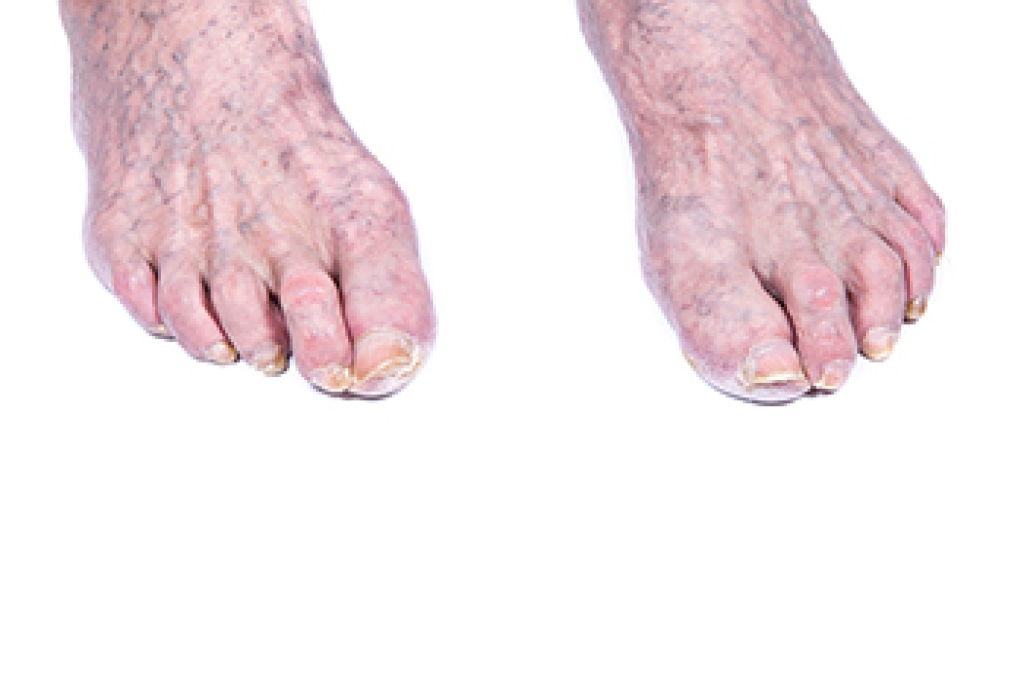
Toenail changes become more common with age due to slower nail growth, reduced circulation, repeated pressure, and underlying health conditions. Thickened nails are frequently seen and may become difficult to trim, uncomfortable in shoes, or more prone to cracking. Fungal infections can cause discoloration, brittleness, and changes in nail shape. Ingrown toenails may develop when nail edges press into surrounding skin, leading to pain, swelling, or infection. Some older adults experience curved or overgrown nails that become harder to manage safely at home. Trauma from shoe pressure or minor injuries may also lead to darkened nails or separation from the nail bed. A podiatrist can evaluate nail changes, identify underlying causes, and provide safe treatment, especially when circulation problems or diabetes are present. If toenails become painful, thick, discolored, or difficult to care for, it is strongly suggested that you visit a podiatrist for an evaluation and appropriate treatment.

Proper foot care is something many older adults forget to consider. If you have any concerns about your feet and ankles, contact Hadryan Vaughn, DPM from Vaughn Podiatry Center. Our doctor can provide the care you need to keep you pain-free and on your feet.

The Elderly and Their Feet

As we age we start to notice many changes in our body, but the elder population may not notice them right away. Medical conditions may prevent the elderly to take notice of their foot health right away. Poor vision is a lead contributor to not taking action for the elderly.

Common Conditions 

  • Neuropathy – can reduce feeling in the feet and can hide many life-threatening medical conditions.
  • Reduced flexibility – prevents the ability of proper toenail trimming, and foot cleaning. If left untreated, it may lead to further medical issues.
  • Foot sores – amongst the older population can be serious before they are discovered. Some of the problematic conditions they may face are:
  • Gouging toenails affecting nearby toe
  • Shoes that don’t fit properly
  • Pressure sores
  • Loss of circulation in legs & feet
  • Edema & swelling of feet and ankles

Susceptible Infections

Diabetes and poor circulation can cause general loss of sensitivity over the years, turning a simple cut into a serious issue.

If you have any questions, please feel free to contact our office located in Montgomery, AL . We offer the newest diagnostic and treatment technologies for all your foot care needs.

Read more about Geriatrics and Podiatry

Causes of Swollen Feet in Older Adults

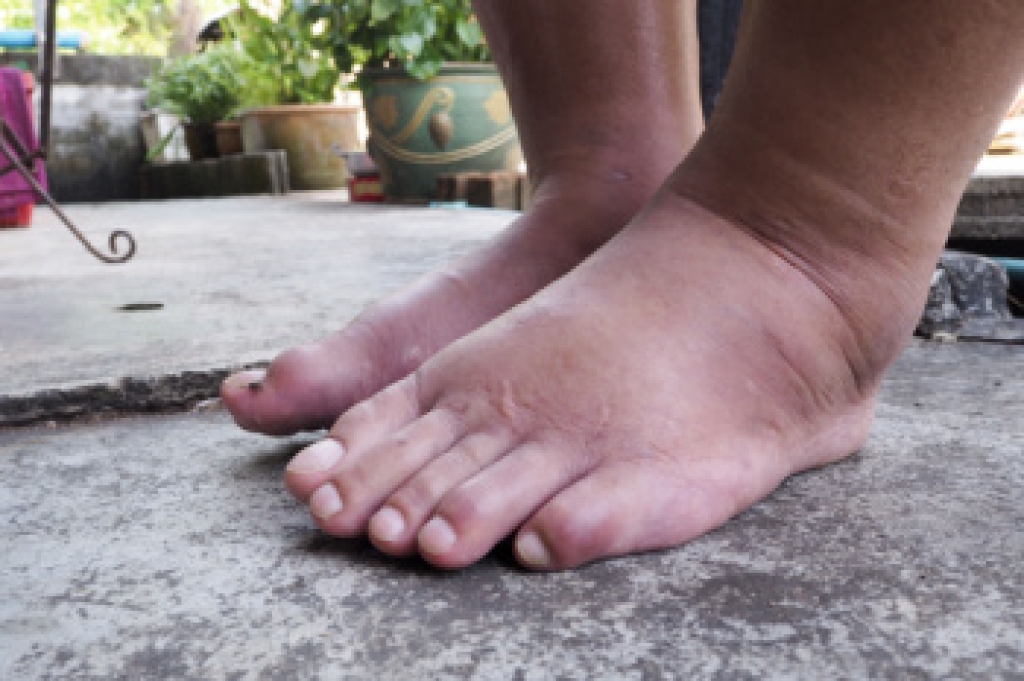
Swollen feet are common in older adults and can be linked to several underlying conditions. Heart failure may cause fluid buildup in the lower extremities, while kidney or liver disease can affect how the body manages fluids. Venous insufficiency occurs when veins have difficulty returning blood to the heart, leading to pooling in the feet and ankles. Additionally, certain medications may also contribute to swelling as a side effect. Risk factors include reduced mobility, chronic health conditions, and poor circulation. Symptoms often include puffiness, tight skin, and discomfort when walking. A podiatrist can evaluate swelling, identify contributing factors, and recommend treatments to improve circulation and comfort. If you are elderly and have any of the above risk factors, it is suggested that you consult a podiatrist who can offer effective relief and management solutions.

Swollen feet can be a sign of an underlying condition. If you have any concerns, contact Hadryan Vaughn, DPM of Vaughn Podiatry Center. Our doctor can provide the care you need to keep you pain-free and on your feet.

Swollen feet are a common ailment among pregnant women and people who stand or sit for extended periods. Aging may increase the possibility of swollen feet and patients who are obese often notice when their feet are swelling too. There may be medical reasons why swollen feet occur:

  • Phlebitis - A condition that causes the veins to become inflamed and can also cause leg pain.
  • Liver disease - This may lead to low blood levels of albumin which is a protein. This can cause fluid in the blood to pass into the tissues and several areas of the body can become swollen.
  • Heart failure - When the heart doesn’t pump properly the blood that is normally pumped back to the heart can pool in the veins of the legs causing swollen feet.
  • Kidney disease - One of the main functions of the kidneys is releasing excess fluid in the body. This type of condition can make it difficult for the kidneys to function properly, and as a result the feet may become swollen.
  • Deep-vein thrombosis (DVT)- This is a serious condition where blood clots form in the veins of the legs. They can block the return of blood from the legs to the heart which may cause the feet to swell. It is important to be treated by a podiatrist if this condition is present.

Swollen feet can also be caused by bone and tendon conditions, including fractures, arthritis, and tendinitis. Additionally, there may be skin and toenail conditions and an infection may cause the feet to swell. Patients who take medicine to treat high blood pressure may be prone to getting swollen feet. 

Many patients elevate their feet to help relieve the swelling and this is generally a temporary remedy. When a podiatrist is consulted the reason behind the swelling can be uncovered and subsequently treated.

If you have any questions please contact our office located in Montgomery, AL . We offer the newest diagnostic and treatment technologies for all your foot and ankle needs.
Read more about Swelling of the Feet
scroll to top