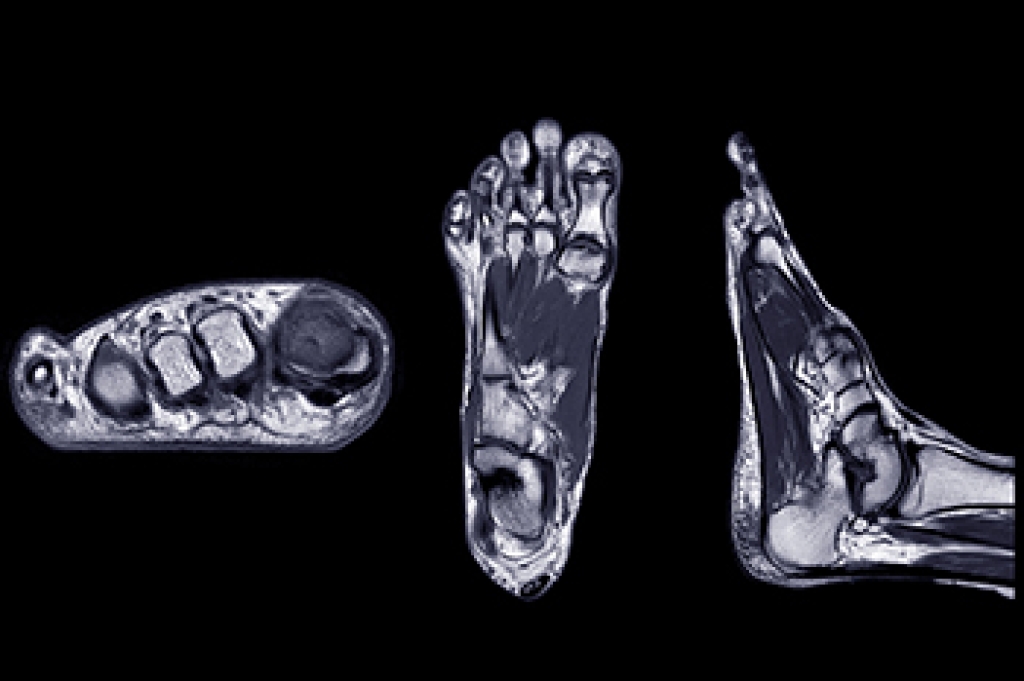
Foot or ankle pain can negatively affect your day-to-day life and can occur due to several different conditions. Pain can also be an indicator of a more serious underlying condition, which is why you should seek professional help as soon as you notice any abnormalities in your feet.
Procedures involving the feet and ankles have become more common as treatment options for painful structural problems continue to improve. Conditions such as bunions, joint damage, tendon injuries, and alignment issues can interfere with walking and place abnormal stress on the lower extremities. When nonoperative care no longer provides relief, a surgical approach may be considered to improve function, reduce pain, and restore more natural movement. Modern techniques have allowed for more precise correction of many foot conditions, but recovery still requires careful monitoring. Imaging studies often play an important role after an operation by helping podiatrists evaluate healing, hardware placement, and any unexpected changes during recovery. While many patients heal well, complications such as infection, delayed healing, nerve irritation, or incomplete correction can occur. If chronic foot or ankle problems are limiting mobility, it is suggested that you visit a podiatrist for evaluation and treatment, which may include surgery.
Foot surgery is sometimes necessary to treat a foot ailment. To learn more, contact Hadryan Vaughn, DPM of Vaughn Podiatry Center. Our doctor will assist you with all of your foot and ankle needs.
When Is Surgery Necessary?
Foot and ankle surgery is generally reserved for cases in which less invasive, conservative procedures have failed to alleviate the problem. Some of the cases in which surgery may be necessary include:
Removing foot deformities like bunions and bone spurs
Severe arthritis that has caused bone issues
Cosmetic reconstruction
What Types of Surgery Are There?
The type of surgery you receive will depend on the nature of the problem you have. Some of the possible surgeries include:
Bunionectomy for painful bunions
Surgical fusion for realignment of bones
Neuropathy decompression surgery to treat nerve damage
Benefits of Surgery
Although surgery is usually a last resort, it can provide more complete pain relief compared to non-surgical methods and may allow you to finally resume full activity.
Surgical techniques have also become increasingly sophisticated. Techniques like endoscopic surgery allow for smaller incisions and faster recovery times.
If you have any questions, please feel free to contact our office located in Montgomery, AL. We offer the newest diagnostic and treatment technologies for all your foot care needs.
Cuboid syndrome is a condition that affects the cuboid bone, which is located on the outer side of the foot. This small but important bone plays a key role in stabilizing the foot and supporting proper movement during walking and running. It acts as a connector between the midfoot and the outer column of the foot, helping to maintain balance and absorb force. When the cuboid becomes misaligned or irritated, it can lead to pain and reduced mobility.
Symptoms of cuboid syndrome often include sharp or aching pain along the outer edge of the foot. Individuals may notice discomfort when bearing weight, walking, or pushing off during activity. Swelling, tenderness, and weakness in the foot may also occur. Risk factors include repetitive strain, ankle sprains, wearing improper footwear, and activities that involve sudden directional changes. Athletes and individuals with flat feet or unstable gait patterns may be more prone to this condition.
The causes of cuboid syndrome are typically linked to mechanical stress or injury. A sudden inversion ankle injury can shift the cuboid out of its normal position. Overuse from high impact activities such as running or jumping can also contribute to irritation. Wearing unsupportive shoes may increase strain on the lateral foot and worsen symptoms. Understanding these contributing factors is important for both prevention and effective management.
The key takeaway is that cuboid syndrome can significantly impact daily movement if left untreated. Early recognition of symptoms and proper care can help restore function and relieve pain. Wearing supportive footwear and modifying activity play an important role in recovery. If you have pain in the outside of your foot, it is suggested that you consult a podiatrist who can accurately diagnose and treat cuboid syndrome.
Cuboid syndrome, also known as cuboid subluxation, occurs when the joints and ligaments near the cuboid bone in the foot become torn. If you have cuboid syndrome, consult with Hadryan Vaughn, DPM from Vaughn Podiatry Center. Our doctor will assess your condition and provide you with quality foot and ankle treatment.
Cuboid syndrome is a common cause of lateral foot pain, which is pain on the outside of the foot. The condition may happen suddenly due to an ankle sprain, or it may develop slowly overtime from repetitive tension through the bone and surrounding structures.
Causes
The most common causes of cuboid syndrome include:
Injury – The most common cause of this ailment is an ankle sprain.
Repetitive Strain – Tension placed through the peroneus longus muscle from repetitive activities such as jumping and running may cause excessive traction on the bone causing it to sublux.
Altered Foot Biomechanics – Most people suffering from cuboid subluxation have flat feet.
Symptoms
A common symptom of cuboid syndrome is pain along the outside of the foot which can be felt in the ankle and toes. This pain may create walking difficulties and may cause those with the condition to walk with a limp.
Diagnosis
Diagnosis of cuboid syndrome is often difficult, and it is often misdiagnosed. X-rays, MRIs and CT scans often fail to properly show the cuboid subluxation. Although there isn’t a specific test used to diagnose cuboid syndrome, your podiatrist will usually check if pain is felt while pressing firmly on the cuboid bone of your foot.
Treatment
Just as the range of causes varies widely, so do treatments. Some more common treatments are ice therapy, rest, exercise, taping, and orthotics.
If you have any questions, please feel free to contact our office located in Montgomery, AL. We offer the newest diagnostic and treatment technologies for all your foot care needs.
Osteomyelitis is a serious bone infection that can affect the feet and ankles. It can begin when bacteria enter through a wound, ulcer, or deep cut. People with diabetes, poor circulation, or reduced feeling in the feet face a higher risk. Because sensation can be limited, a small sore can become infected before pain is noticed. Warning signs can include swelling, redness, and drainage from a wound. Some patients also develop fever or deep foot pain. In the foot, osteomyelitis can damage bone and nearby tissue when it is not treated promptly.
A podiatrist can help identify osteomyelitis through a careful foot exam and a review of your health history. The exam includes checking the wound, skin color, and blood flow. It also includes looking for areas of pressure that can slow healing. X-rays can show bone changes, but early infection does not always appear right away. An MRI, which creates detailed pictures of bone and soft tissue, can help confirm the diagnosis. Lab tests can also help find the type of bacteria causing the infection.
Treatment depends on how severe the infection is and how much bone is involved. A podiatrist can clean the wound, remove damaged tissue, and coordinate antibiotic treatment. Antibiotics are medicines that fight bacterial infection. In some cases, surgery is needed to remove infected bone and protect the rest of the foot. A podiatrist can also help reduce pressure on the affected area with medical padding, special shoes, or a custom device. Prompt care is important because osteomyelitis can lead to long-term foot damage. If you have symptoms of osteomyelitis, it is suggested that you make an appointment with a podiatrist for diagnosis and treatment.
Foot Pain
Foot pain can be extremely painful and debilitating. If you have a foot pain, consult with Hadryan Vaughn, DPM from Vaughn Podiatry Center. Our doctor will assess your condition and provide you with quality foot and ankle treatment.
Causes
Foot pain is a very broad condition that could be caused by one or more ailments. The most common include:
Bunions
Hammertoes
Plantar Fasciitis
Bone Spurs
Corns
Tarsal Tunnel Syndrome
Ingrown Toenails
Arthritis (such as Gout, Rheumatoid, and Osteoarthritis)
To figure out the cause of foot pain, podiatrists utilize several different methods. This can range from simple visual inspections and sensation tests to X-rays and MRI scans. Prior medical history, family medical history, and any recent physical traumatic events will all be taken into consideration for a proper diagnosis.
Treatment
Treatment depends upon the cause of the foot pain. Whether it is resting, staying off the foot, or having surgery; podiatrists have a number of treatment options available for foot pain.
If you have any questions, please feel free to contact our office located in Montgomery, AL. We offer the newest diagnostic and treatment technologies for all your foot care needs.
Achilles tendon injuries are a frequent concern for tennis players due to the high demand for explosive movement, quick acceleration, and sudden direction changes. The Achilles tendon connects the calf muscles to the heel bone and plays a vital role in push-off strength and court mobility. During tennis, repetitive stress from sprinting, pivoting, and jumping can lead to micro-tearing, inflammation, or even partial rupture of the tendon. These injuries often develop over time but can also occur suddenly during intense play. When the Achilles tendon is compromised, it limits speed, reduces power, and affects a player's ability to compete effectively.
Symptoms of Achilles tendon injuries include pain and stiffness along the back of the heel, especially in the morning or after activity. Swelling, tenderness, and a tight feeling in the calf are also common. Some players notice a gradual increase in discomfort, while others may experience a sudden, sharp pain during movement. Difficulty pushing off the foot or rising onto the toes can indicate a more advanced injury. Recognizing these symptoms early is important, as continued play without treatment can worsen the condition and prolong recovery time.
Risk factors for Achilles tendon injuries in tennis include wearing improper footwear, tight calf muscles, and inadequate warm-up routines. Players who suddenly increase training intensity or duration are also at higher risk. Poor biomechanics, such as overpronation or limited ankle mobility, can place additional strain on the tendon. Fatigue plays a role by reducing coordination and altering movement patterns. Returning to play too soon after a previous injury significantly increases the chance of reinjury. Fear of repeated injury may lead to guarded movements, which can create imbalances and increase stress on the tendon and surrounding structures.
Returning to tennis after an Achilles tendon injury should be based on strength, flexibility, and pain-free function rather than a fixed timeline. A structured rehabilitation program that focuses on calf strengthening, flexibility, and gradual return to activity is essential. Wearing supportive footwear and custom orthotics may help reduce strain during recovery. Addressing both physical readiness and confidence in movement is important to prevent hesitation and reinjury. If you have sustained an Achilles tendon injury while playing tennis, it is suggested that you consult a podiatrist for effective treatment solutions to support safe recovery and return to play.
Achilles tendon injuries need immediate attention to avoid future complications. If you have any concerns, contact Hadryan Vaughn, DPM of Vaughn Podiatry Center. Our doctor can provide the care you need to keep you pain-free and on your feet.
What Is the Achilles Tendon?
The Achilles tendon is a tendon that connects the lower leg muscles and calf to the heel of the foot. It is the strongest tendon in the human body and is essential for making movement possible. Because this tendon is such an integral part of the body, any injuries to it can create immense difficulties and should immediately be presented to a doctor.
What Are the Symptoms of an Achilles Tendon Injury?
There are various types of injuries that can affect the Achilles tendon. The two most common injuries are Achilles tendinitis and ruptures of the tendon.
Achilles Tendinitis Symptoms
Inflammation
Dull to severe pain
Increased blood flow to the tendon
Thickening of the tendon
Rupture Symptoms
Extreme pain and swelling in the foot
Total immobility
Treatment and Prevention
Achilles tendon injuries are diagnosed by a thorough physical evaluation, which can include an MRI. Treatment involves rest, physical therapy, and in some cases, surgery. However, various preventative measures can be taken to avoid these injuries, such as:
Thorough stretching of the tendon before and after exercise
Strengthening exercises like calf raises, squats, leg curls, leg extensions, leg raises, lunges, and leg presses
If you have any questions please feel free to contact our office located in Montgomery, AL. We offer the newest diagnostic tools and technology to treat your foot and ankle needs.