
Burning Feet and How a Podiatrist Can Help

Burning feet is a sensation of heat, tingling, or discomfort that can affect daily life. It may result from nerve damage, diabetes and small fiber neuropathy. Alcohol abuse and or complex regional pain syndrome, which can occur after an accident or surgery, are other causes. These conditions can impair nerve function that leads to persistent or worsening symptoms. A podiatrist can perform a thorough evaluation to determine the cause, using diagnostic tests and medical history to guide treatment. Management may include addressing underlying conditions, improving circulation, and recommending specialized footwear or orthotics. If you have persistent burning in your feet, it is suggested that you consult a podiatrist who can provide a proper diagnosis and offer effective relief and management tips.

Foot Pain

Foot pain can be extremely painful and debilitating. If you have a foot pain, consult with Hadryan Vaughn, DPM from Vaughn Podiatry Center. Our doctor will assess your condition and provide you with quality foot and ankle treatment.

Causes

Foot pain is a very broad condition that could be caused by one or more ailments. The most common include:

  • Bunions
  • Hammertoes
  • Plantar Fasciitis
  • Bone Spurs
  • Corns
  • Tarsal Tunnel Syndrome
  • Ingrown Toenails
  • Arthritis (such as Gout, Rheumatoid, and Osteoarthritis)
  • Flat Feet
  • Injury (from stress fractures, broken toe, foot, ankle, Achilles tendon ruptures, and sprains)
  • And more

Diagnosis

To figure out the cause of foot pain, podiatrists utilize several different methods. This can range from simple visual inspections and sensation tests to X-rays and MRI scans. Prior medical history, family medical history, and any recent physical traumatic events will all be taken into consideration for a proper diagnosis.

Treatment

Treatment depends upon the cause of the foot pain. Whether it is resting, staying off the foot, or having surgery; podiatrists have a number of treatment options available for foot pain.

If you have any questions, please feel free to contact our office located in Montgomery, AL . We offer the newest diagnostic and treatment technologies for all your foot care needs.

Read more about Foot Pain

Various Causes of Toe Pain

Toe pain can come from various conditions, including athlete’s foot, bunions, and ingrown toenails, each with its own causes and symptoms. Athlete’s foot is a fungal infection often caused by sweaty feet and exposure to damp environments, like locker rooms. Athlete’s foot can lead to itching, burning, redness, and peeling skin. Bunions are bony bumps that form at the base of the big toe, often due to genetics, poor footwear, or arthritis, causing pain, swelling, and difficulty walking. Ingrown toenails occur when the edge of a nail grows into the surrounding skin, often from improper trimming or tight shoes. This may lead to pain, redness, swelling, and sometimes infection. Any of these conditions can make walking painful and reduce your quality of life. A podiatrist can diagnose the problem through a physical exam, lab tests, or imaging. Treatments include antifungal medications, orthotics, nail care, or minor procedures to relieve discomfort and correct the issue. If you have toe pain, it is suggested that you schedule an appointment with a podiatrist for appropriate treatment solutions.

Toe pain can disrupt your daily activities. If you have any concerns, contact Hadryan Vaughn, DPM of Vaughn Podiatry Center. Our doctor can provide the care you need to keep you pain-free and on your feet.

What Causes Toe Pain?

Most severe toe pain is caused due to a sports injury, trauma from dropping something heavy on the toe, or bumping into something rigid. Other problems can develop over time for various reasons.

Toe pain can be caused by one or more ailments. The most common include:

  • Trauma
  • Sports injury
  • Wearing shoes that are too tight
  • Arthritis
  • Gout
  • Corns and calluses
  • Hammertoe
  • Bunions
  • Blisters
  • Ingrown toenails
  • Sprains
  • Fractures (broken bones)
  • Dislocations

When to See a Podiatrist

  • Severe pain
  • Persistent pain that lasts more than a week
  • Signs of infection
  • Continued swelling
  • Pain that prevents walking

Diagnosis

In many cases the cause of toe pain is obvious, but in others, a podiatrist may want to use more advanced methods to determine the problem. These can range from simple visual inspections and sensation tests to X-rays and MRI scans. Prior medical history, family medical history, and any recent physical traumatic events will all be taken into consideration for a proper diagnosis.

Treatment

Treatments for toe pain and injuries vary and may include shoe inserts, padding, taping, medicines, injections, and in some cases, surgery. If you believe that you have broken a toe, please see a podiatrist as soon as possible.

If you have any questions please contact our office located in Montgomery, AL . We offer the newest diagnostic and treatment technologies for all your foot and ankle needs.

Read more about Toe Pain

Do Your Child's Feet Hurt?

Have your child's feet been examined lately? Healthy feet are happy feet. If your child is complaining of foot pain, it may be a sign of underlying problems.

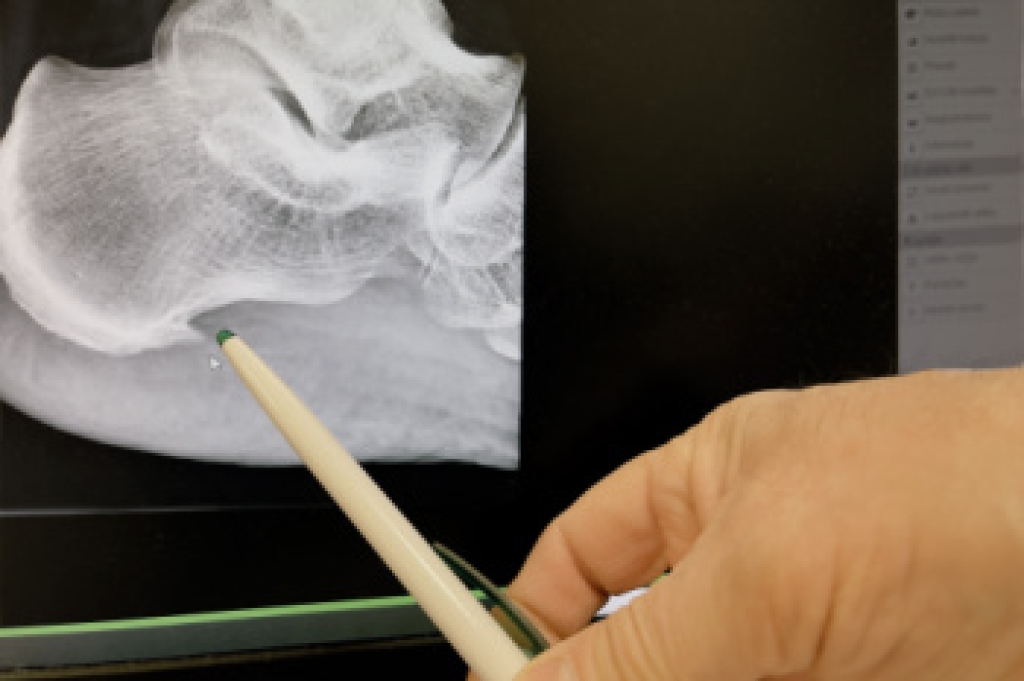
Key Facts About Heel Spurs

A heel spur is a bony growth that develops on the underside of the heel bone, often caused by long-term stress or inflammation in the foot. Common causes include natural wear and tear, intense physical strain from running, standing for long periods of time, and footwear that lacks adequate support. Symptoms include sharp heel pain, tenderness, and discomfort that worsens with activity. A podiatrist can diagnose a heel spur using physical examination and imaging, then recommend treatments such as custom orthotics, supportive shoes, stretching exercises, and in some cases minimally invasive procedures. If heel pain is interfering with your daily life, it is suggested that you schedule an appointment with a podiatrist who can accurately diagnose and treat heel spurs.

Heel spurs can be incredibly painful and sometimes may make you unable to participate in physical activities. To get medical care for your heel spurs, contact Hadryan Vaughn, DPM from Vaughn Podiatry Center. Our doctor will do everything possible to treat your condition.

Heels Spurs

Heel spurs are formed by calcium deposits on the back of the foot where the heel is. This can also be caused by small fragments of bone breaking off one section of the foot, attaching onto the back of the foot. Heel spurs can also be bone growth on the back of the foot and may grow in the direction of the arch of the foot.

Older individuals usually suffer from heel spurs and pain sometimes intensifies with age. One of the main condition's spurs are related to is plantar fasciitis.

Pain

The pain associated with spurs is often because of weight placed on the feet. When someone is walking, their entire weight is concentrated on the feet. Bone spurs then have the tendency to affect other bones and tissues around the foot. As the pain continues, the feet will become tender and sensitive over time.

Treatments

There are many ways to treat heel spurs. If one is suffering from heel spurs in conjunction with pain, there are several methods for healing. Medication, surgery, and herbal care are some options.

If you have any questions, please feel free to contact our office located in Montgomery, AL . We offer the newest diagnostic and treatment technologies for all your foot care needs.
Read more about Heel Spurs

Types of Broken Toes

Broken toes can  range from simple cracks in the bone to more severe fractures that involve joint displacement or multiple bone fragments. These injuries often result from sudden trauma, such as dropping a heavy object on the foot or forcefully striking a hard surface. Common symptoms include sharp pain, swelling, bruising, and difficulty walking, especially if pressure on the affected toe causes discomfort. A toe that appears crooked or shortened compared to its neighbors may indicate a displaced fracture or dislocation.  A podiatrist will typically perform a thorough foot exam and may use  X-rays to confirm the type and severity of the fracture. If the bone is misaligned or severely broken, surgery may be needed to restore proper toe position and prevent long-term complications. If you have broken a toe, it is suggested that you make an appointment with a podiatrist for an exam and suggested treatment options.

A broken toe can be very painful and lead to complications if not properly fixed. If you have any concerns about your feet, contact Hadryan Vaughn, DPM from Vaughn Podiatry Center. Our doctor will treat your foot and ankle needs.

What to Know About a Broken Toe

Although most people try to avoid foot trauma such as banging, stubbing, or dropping heavy objects on their feet, the unfortunate fact is that it is a common occurrence. Given the fact that toes are positioned in front of the feet, they typically sustain the brunt of such trauma. When trauma occurs to a toe, the result can be a painful break (fracture).

Symptoms of a Broken Toe

  • Throbbing pain
  • Swelling
  • Bruising on the skin and toenail
  • The inability to move the toe
  • Toe appears crooked or disfigured
  • Tingling or numbness in the toe

Generally, it is best to stay off of the injured toe with the affected foot elevated.

Severe toe fractures may be treated with a splint, cast, and in some cases, minor surgery. Due to its position and the pressure it endures with daily activity, future complications can occur if the big toe is not properly treated.

If you have any questions, please feel free to contact our office located in Montgomery, AL . We offer the newest diagnostic and treatment technologies for all your foot care needs.

Read more about What to Know About a Broken Toe
scroll to top