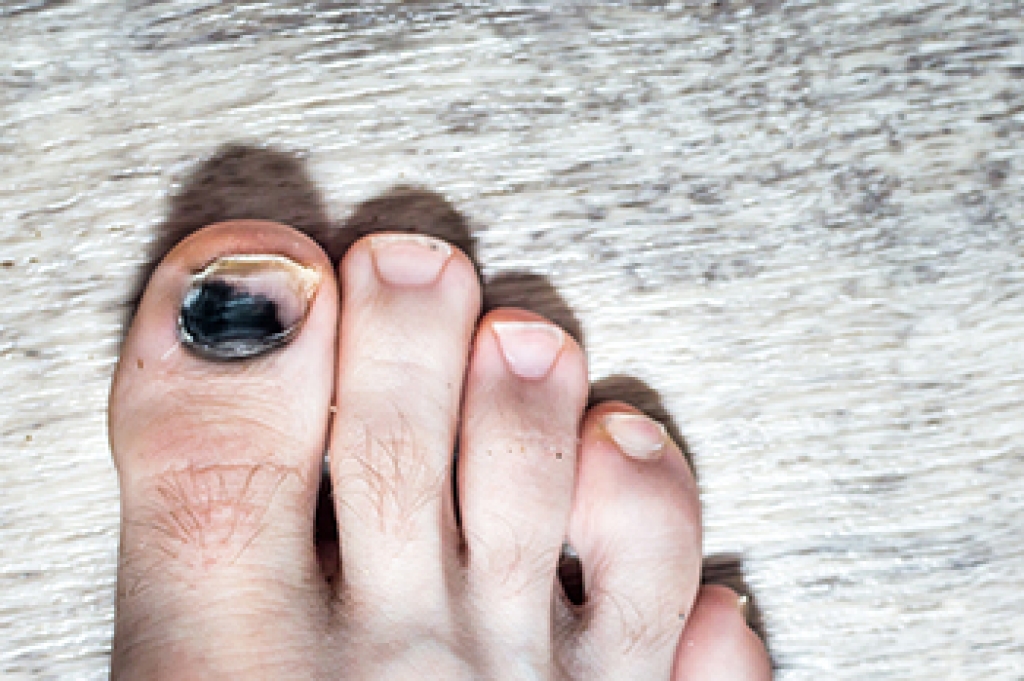
What Causes Toenails to Turn Black?

Black toenails can be alarming. They usually develop after trauma, like stubbing a toe or dropping a heavy object on the foot. Blood becomes trapped beneath the nail, creating the dark appearance. Repeated pressure from wearing shoes that do not fit correctly also causes bruising, especially in runners and people who spend long hours on their feet. In other cases, a fungal infection changes the nail color after entering through a small crack near the nail. Certain health problems, like diabetes, can also affect nail color. Although uncommon, a dark streak beneath the nail sometimes points to a serious skin cancer that requires prompt evaluation.

A podiatrist examines the affected toenail and asks about recent injuries, daily activities, and the types of shoes you wear. The examination helps determine whether the discoloration comes from bleeding beneath the nail, a fungal infection, or another medical condition. When necessary, a small sample of the nail is collected for laboratory testing to identify a fungal infection. Imaging studies help evaluate severe injuries involving the toe. If the appearance raises concern for skin cancer, a biopsy is performed. A biopsy involves removing a small piece of tissue so it can be examined under a microscope. Early diagnosis helps protect the nail and identify serious conditions before they become more difficult to treat.

Treatment depends on the cause of the discoloration. A podiatrist can relieve painful pressure beneath the nail after certain injuries by safely draining the trapped blood. Damaged nails that cannot heal properly sometimes require removal. Fungal infections receive appropriate medical treatment and regular monitoring to encourage healthy nail growth. Patients with diabetes or circulation problems benefit from careful foot evaluations because these conditions increase the risk of nail complications. Prompt care also helps reduce the chance of permanent nail damage. If you have toenails that are discolored, it is suggested that you schedule an appointment with a podiatrist for a diagnosis and appropriate treatment.

Toe pain can disrupt your daily activities. If you have any concerns, contact Hadryan Vaughn, DPM of Vaughn Podiatry Center. Our doctor can provide the care you need to keep you pain-free and on your feet.

What Causes Toe Pain?

Most severe toe pain is caused due to a sports injury, trauma from dropping something heavy on the toe, or bumping into something rigid. Other problems can develop over time for various reasons.

Toe pain can be caused by one or more ailments. The most common include:

  • Trauma
  • Sports injury
  • Wearing shoes that are too tight
  • Arthritis
  • Gout
  • Corns and calluses
  • Hammertoe
  • Bunions
  • Blisters
  • Ingrown toenails
  • Sprains
  • Fractures (broken bones)
  • Dislocations

When to See a Podiatrist

  • Severe pain
  • Persistent pain that lasts more than a week
  • Signs of infection
  • Continued swelling
  • Pain that prevents walking

Diagnosis

In many cases the cause of toe pain is obvious, but in others, a podiatrist may want to use more advanced methods to determine the problem. These can range from simple visual inspections and sensation tests to X-rays and MRI scans. Prior medical history, family medical history, and any recent physical traumatic events will all be taken into consideration for a proper diagnosis.

Treatment

Treatments for toe pain and injuries vary and may include shoe inserts, padding, taping, medicines, injections, and in some cases, surgery. If you believe that you have broken a toe, please see a podiatrist as soon as possible.

If you have any questions please contact our office located in Montgomery, AL . We offer the newest diagnostic and treatment technologies for all your foot and ankle needs.

Read more about Toe Pain

Symptoms and Treatment of Hammertoe

Hammertoe is a deformity that causes one or more toes to bend at the middle joint instead of lying flat. The affected toe can take on a claw-like shape, making walking and wearing shoes uncomfortable. The second toe is affected most often, although other toes can develop the problem. Wearing tight, narrow shoes and high heels place repeated pressure on the toes. This pressure can change how muscles and tendons work, causing the toe to stay bent. Some people are born with hammertoe, while others develop it because of foot structure or long-term shoe pressure. Early evaluation helps prevent the deformity from becoming more difficult to treat.

Symptoms usually begin with a toe that feels stiff or rubs against the inside of a shoe. Pain can increase while walking because the bent joint presses against footwear that lacks proper support. Corns can develop on the top of the toe, and calluses can form on the ball of the foot. As the deformity becomes more fixed, straightening the toe becomes difficult. A podiatrist examines the foot, checks toe movement, and determines whether other foot problems are contributing to the deformity. X-rays also help evaluate joint alignment and guide treatment decisions. They also look for pressure areas, toe flexibility, and skin changes before recommending treatment.

Treatment focuses on relieving pain and improving toe position before the deformity becomes permanent. A podiatrist recommends shoes with a wide toe box and provides custom orthotics when abnormal foot mechanics add pressure. Padding or splinting supplied by the podiatrist helps protect irritated areas and improve toe alignment. The goal is to improve comfort and foot function and make shoes fit more comfortably. If you have pain from a hammertoe deformity, it is suggested that you schedule an appointment with a podiatrist for effective relief and treatment solutions.

Hammertoes can be a painful condition to live with. For more information, contact Hadryan Vaughn, DPM of Vaughn Podiatry Center. Our doctor will answer any of your foot- and ankle-related questions.

Hammertoe

Hammertoe is a foot deformity that occurs due to an imbalance in the muscles, tendons, or ligaments that normally hold the toe straight. It can be caused by the type of shoes you wear, your foot structure, trauma, and certain disease processes.

Symptoms

  • Painful and/or difficult toe movement
  • Swelling
  • Joint stiffness
  • Calluses/Corns
  • Physical deformity

Risk Factors

  • Age – The risk of hammertoe increases with age
  • Sex – Women are more likely to have hammertoe compared to men
  • Toe Length – You are more likely to develop hammertoe if your second toe is longer than your big toe
  • Certain Diseases – Arthritis and diabetes may make you more likely to develop hammertoe

Treatment

If you have hammertoe, you should change into a more comfortable shoe that provides enough room for your toes. Exercises such as picking up marbles may strengthen and stretch your toe muscles. Nevertheless, it is important to seek assistance from a podiatrist in order to determine the severity of your hammertoe and see which treatment option will work best for you.

If you have any questions, please feel free to contact our office located in Montgomery, AL . We offer the newest diagnostic and treatment technologies for all your foot care needs.

Read more about What Are Hammertoes?

Why Diabetic Foot Care Is Essential for Healthy Feet

Healthy feet are especially important for people with diabetes because even a small foot problem can become serious without prompt care. Diabetic foot care plays an important role in protecting mobility and overall health. Diabetes can reduce feeling in the feet because nerves become damaged. This problem is called neuropathy, which means nerve damage. Reduced feeling makes it harder to notice cuts, blisters, or pressure points before they become serious. Diabetes can also reduce blood flow, slowing healing and increasing the risk of infection. Regular foot exams by a podiatrist help identify problems early and protect long-term foot health.

A podiatrist examines the skin, nails, and circulation to look for early warning signs. Care includes checking for wounds, evaluating foot shape, and recommending shoes with proper support. A podiatrist also explains how diabetes affects the feet and monitors changes that increase the chance of ulcers. An ulcer is an open sore that can become infected without prompt treatment. Early care helps lower the risk of serious complications and supports safer movement every day.

Ignoring early foot changes can allow small problems to become much more difficult to treat. Routine visits with a podiatrist provide careful monitoring and timely treatment that protects comfort and mobility. Professional care also helps detect circulation changes and nerve damage before serious complications develop. Patients who have diabetes benefit from consistent evaluations because small injuries can quickly become larger concerns when reduced feeling delays treatment. Regular appointments also give your podiatrist the opportunity to answer questions and recommend shoe features that reduce pressure while walking. If you are diabetic and have developed foot problems,  it is strongly suggested that you are under the care of a podiatrist who can help you to manage this serious condition.

Diabetic foot care is important in preventing foot ailments such as ulcers. If you are suffering from diabetes or have any other concerns about your feet, contact Hadryan Vaughn, DPM from Vaughn Podiatry Center. Our doctor can provide the care you need to keep you pain-free and on your feet.

Diabetic Foot Care

Diabetes affects millions of people every year. The condition can damage blood vessels in many parts of the body, especially the feet. Because of this, taking care of your feet is essential if you have diabetes, and having a podiatrist help monitor your foot health is highly recommended.

The Importance of Caring for Your Feet

  • Routinely inspect your feet for bruises or sores.
  • Wear socks that fit your feet comfortably.
  • Wear comfortable shoes that provide adequate support.

Patients with diabetes should have their doctor monitor their blood levels, as blood sugar levels play such a huge role in diabetic care. Monitoring these levels on a regular basis is highly advised.

It is always best to inform your healthcare professional of any concerns you may have regarding your feet, especially for diabetic patients. Early treatment and routine foot examinations are keys to maintaining proper health, especially because severe complications can arise if proper treatment is not applied.

If you have any questions, please feel free to contact our office located in Montgomery, AL . We offer the newest diagnostic and treatment technologies for all your foot care needs.

Read more about Diabetic Foot Conditions

Broken Toe and Metatarsal Fracture Treatment From a Podiatrist

A broken toe or metatarsal fracture can make every step painful because these bones help support your weight and maintain balance while walking. The toes and metatarsals work together to absorb impact and provide stability with each movement. A fracture can happen after dropping a heavy object on the foot, stubbing a toe, or twisting the foot during sports or other activities. Repeated stress from running or jumping can also create tiny cracks called stress fractures. These small breaks develop gradually from repeated force instead of one sudden injury. Prompt evaluation is important because walking on an untreated fracture can lead to further damage and delay proper healing.

Symptoms include swelling, bruising, and tenderness around the injured toe or foot. Some people notice difficulty putting weight on the foot or pain that becomes worse while walking. Others develop visible deformity, stiffness, or swelling that does not improve. Stress fractures sometimes begin with mild discomfort that steadily increases during activity. A complete examination helps determine the location and severity of the fracture. Imaging tests like X-rays can confirm the diagnosis and guide the best treatment plan.

Podiatrists evaluate the injured foot to identify the type of fracture and determine how it affects movement and stability. Treatment depends on the location and severity of the injury and focuses on protecting the broken bone while it heals. A podiatrist also monitors healing, evaluates walking patterns, and helps reduce unnecessary stress on nearby joints and tissues. Early treatment lowers the risk of long-term pain, poor bone alignment, and ongoing mobility problems. Care also helps patients return to normal daily activities as safely as possible while protecting the injured foot from additional strain. If you have symptoms of a broken toe or metatarsal fracture, it is suggested that you schedule an appointment with a podiatrist for diagnosis and treatment.

Broken toes may cause a lot of pain and should be treated as soon as possible. If you have any concerns about your feet, contact Hadryan Vaughn, DPM from Vaughn Podiatry Center. Our doctor will treat your foot and ankle needs.

What Is a Broken Toe?

A broken toe occurs when one or more of the toe bones of the foot are broken after an injury. Injuries such as stubbing your toe or dropping a heavy object on it may cause a toe fracture.

Symptoms of a Broken Toe

  • Swelling
  • Pain (with/without wearing shoes)
  • Stiffness
  • Nail Injury

Although the injured toe should be monitored daily, it is especially important to have a podiatrist look at your toe if you have severe symptoms. Some of these symptoms include worsening or new pain that is not relieved with medication, sores, redness, or open wounds near the toe.

If you have any questions please feel free to contact our office located in Montgomery, AL . We offer the newest diagnostic tools and technology to treat your foot and ankle needs.

Read more about What to Know About a Broken Toe
scroll to top