How Podiatrists Treat Achilles Tendon Injuries

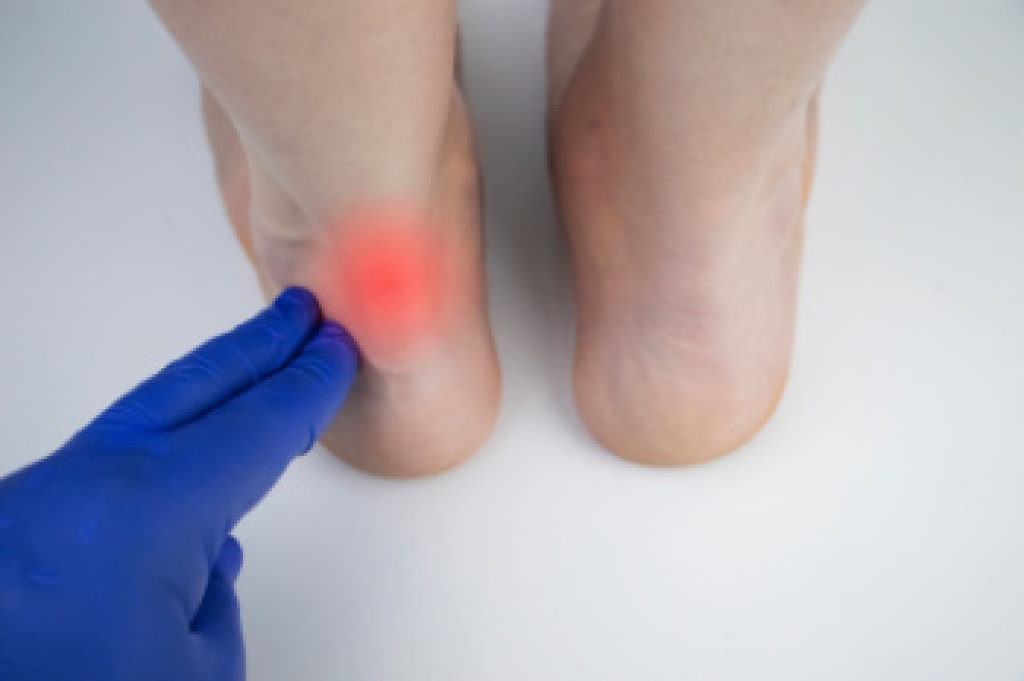
Achilles tendon injuries affect the strong band of tissue that connects the calf muscles to the heel bone. This tendon helps the foot push off the ground while walking, running, or jumping. An injury can happen when the tendon is suddenly stressed or repeatedly strained. Achilles tendon problems include irritation, small tears, and a complete rupture, which means the tendon tears all the way through. Symptoms can include pain near the heel, swelling, and difficulty moving the foot normally. A sudden injury can also cause a popping or snapping feeling. People with an Achilles tendon injury may have trouble pushing off the foot or standing on their toes.

A podiatrist can evaluate an Achilles tendon injury by reviewing how the injury happened and examining the foot, ankle, and lower leg. The evaluation can include checking for swelling, tenderness, and changes in movement. A podiatrist can also assess how the tendon functions when the foot and ankle move. Treatment depends on the type and severity of the injury. Care can include protecting the injured tendon, using support to limit movement, and guiding a gradual return to normal activity. A podiatrist can explain the available treatment options and monitor the tendon as it heals. Proper treatment is important because returning to demanding activities too quickly can place additional stress on the injured tendon.

Achilles tendon injuries can make walking, exercise, and other activities difficult. A complete tendon tear can cause significant weakness and should be evaluated promptly. Pain that continues, swelling near the heel, or difficulty pushing off the foot can also indicate that the tendon needs professional evaluation. A podiatrist can determine the severity of the injury and develop a treatment plan based on your symptoms and examination. Early evaluation can help protect the tendon and support a safer recovery. If you have sustained an Achilles tendon injury, it is suggested that you schedule an appointment with a podiatrist for effective relief and treatment solutions. 

Achilles tendon injuries need immediate attention to avoid future complications. If you have any concerns, contact Hadryan Vaughn, DPM of Vaughn Podiatry Center. Our doctor can provide the care you need to keep you pain-free and on your feet.

What Is the Achilles Tendon?

The Achilles tendon is a tendon that connects the lower leg muscles and calf to the heel of the foot. It is the strongest tendon in the human body and is essential for making movement possible. Because this tendon is such an integral part of the body, any injuries to it can create immense difficulties and should immediately be presented to a doctor.

What Are the Symptoms of an Achilles Tendon Injury?

There are various types of injuries that can affect the Achilles tendon. The two most common injuries are Achilles tendinitis and ruptures of the tendon.

Achilles Tendinitis Symptoms

  • Inflammation
  • Dull to severe pain
  • Increased blood flow to the tendon
  • Thickening of the tendon

Rupture Symptoms

  • Extreme pain and swelling in the foot
  • Total immobility

Treatment and Prevention

Achilles tendon injuries are diagnosed by a thorough physical evaluation, which can include an MRI. Treatment involves rest, physical therapy, and in some cases, surgery. However, various preventative measures can be taken to avoid these injuries, such as:

  • Thorough stretching of the tendon before and after exercise
  • Strengthening exercises like calf raises, squats, leg curls, leg extensions, leg raises, lunges, and leg presses

If you have any questions please feel free to contact our office located in Montgomery, AL . We offer the newest diagnostic tools and technology to treat your foot and ankle needs.


Read more about Achilles Tendon Injuries

Plantar Warts Can Be Treated!

Plantar warts are small growths that develop on parts of the feet that bear weight. They're typically found on the bottom of the foot. Don't live with plantar warts, and call us today!

How Rheumatoid Arthritis Affects the Feet

Rheumatoid arthritis, or RA, is a disease in which the immune system attacks joint tissue. For some people, pain and swelling in the feet are the first signs of RA. In other patients, foot symptoms appear months or years later, or never develop. Rheumatoid arthritis usually affects the small toe joints and where the toes meet the forefoot. It can also affect the joint below the ankle. Early signs include soreness, warmth, and swelling. A sudden period of stronger symptoms is called a flare.

As RA damages joints, pain and swelling can make standing and walking difficult. Joint damage can also cause instability or changes in foot shape. Pressure from these changes can lead to corns, calluses, or open sores. Firm lumps called nodules can develop near the Achilles tendon, heel, or other bony areas. Some patients notice numbness, tingling, or poor temperature awareness because nerves may be affected. Others develop circulation problems that cause cramping while walking or color changes in the toes. New swelling, shape changes, or skin wounds require prompt medical attention.

A podiatrist can examine the feet, identify affected joints, and check the skin. The examination can assess nerve function and blood flow. Treatment focuses on easing pressure, supporting painful joints, and improving foot function. A podiatrist can recommend supportive shoes and prescribe custom orthotics. These specially made shoe inserts can improve balance and reduce stress beneath sore areas. The podiatrist can also safely care for corns and calluses, treat skin wounds, and monitor changes linked to RA. When joint damage is severe, the podiatrist can discuss whether surgery could improve comfort or movement. Regular foot evaluations can help detect concerns before they become harder to manage. If you have foot pain related to rheumatoid arthritis, it is suggested that you schedule an appointment with a podiatrist for effective relief and management solutions.

Because RA affects more than just your joints, including the joints in your feet and ankles, it is important to seek early diagnosis from your podiatrist if you feel like the pain in your feet might be caused by RA. For more information, contact Hadryan Vaughn, DPM of Vaughn Podiatry Center. Our doctor will assist you with all of your podiatric concerns.

What Is Rheumatoid Arthritis?

Rheumatoid Arthritis (RA) is an autoimmune disorder in which the body’s own immune system attacks the membranes surrounding the joints. Inflammation of the lining and eventually the destruction of the joint’s cartilage and bone occur, causing severe pain and immobility.

Rheumatoid Arthritis of the Feet

Although RA usually attacks multiple bones and joints throughout the entire body, almost 90 percent of cases result in pain in the foot or ankle area.

Symptoms

  • Swelling and pain in the feet
  • Stiffness in the feet
  • Pain on the ball or sole of feet
  • Joint shift and deformation

Diagnosis

Quick diagnosis of RA in the feet is important so that the podiatrist can treat the area effectively. Your doctor will ask you about your medical history, occupation, and lifestyle to determine the origin of the condition. Rheumatoid Factor tests help to determine if someone is affected by the disease.

If you have any questions, please feel free to contact our office located in Montgomery, AL . We offer the newest diagnostic and treatment technologies for all your foot care needs.

Read more about Rheumatoid Arthritis in the Feet
scroll to top