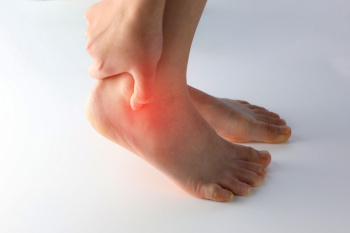
Protecting Foot Health in Diabetics

Diabetic foot care is essential for maintaining comfort, mobility, and overall well-being. Foot ulcers are a common complication of diabetes and can greatly affect quality of life if left untreated. These wounds may develop due to reduced sensation from neuropathy, which can make it difficult to notice injuries or pressure points. Risk factors include poor circulation, high blood sugar levels, improper footwear, and lack of daily foot care. Daily inspection, keeping the skin clean and moisturized, and wearing supportive shoes can help decrease pain and prevent complications. A podiatrist can provide regular evaluations, treat concerns early, and offer personalized care. If you have diabetes, it is suggested that you are under the care of a podiatrist who can help you to manage this serious condition.

Diabetic foot care is important in preventing foot ailments such as ulcers. If you are suffering from diabetes or have any other concerns about your feet, contact Hadryan Vaughn, DPM from Vaughn Podiatry Center. Our doctor can provide the care you need to keep you pain-free and on your feet.

Diabetic Foot Care

Diabetes affects millions of people every year. The condition can damage blood vessels in many parts of the body, especially the feet. Because of this, taking care of your feet is essential if you have diabetes, and having a podiatrist help monitor your foot health is highly recommended.

The Importance of Caring for Your Feet

  • Routinely inspect your feet for bruises or sores.
  • Wear socks that fit your feet comfortably.
  • Wear comfortable shoes that provide adequate support.

Patients with diabetes should have their doctor monitor their blood levels, as blood sugar levels play such a huge role in diabetic care. Monitoring these levels on a regular basis is highly advised.

It is always best to inform your healthcare professional of any concerns you may have regarding your feet, especially for diabetic patients. Early treatment and routine foot examinations are keys to maintaining proper health, especially because severe complications can arise if proper treatment is not applied.

If you have any questions, please feel free to contact our office located in Montgomery, AL . We offer the newest diagnostic and treatment technologies for all your foot care needs.

Read more about Diabetic Foot Conditions

What Is Heel Spur Syndrome?

Heel spur syndrome is a painful condition where a small bony growth forms under the heel. This often develops with plantar fasciitis, which is irritation of the thick band of tissue supporting the arch of the foot. Those with this condition usually feel sharp pain when taking their first steps in the morning. Most people improve with rest, stretching, shoe changes, or targeted exercises. When these options do not work, a minimally invasive surgical method may be considered. This procedure uses a small cut on the bottom of the foot to release tight tissue and reduce pressure. Research shows that this procedure can provide strong pain relief and fast healing for many people. Recovery is typically quicker than traditional surgery, helping people return to daily activities with less discomfort. If you have heel pain, it is suggested that you see a podiatrist for a proper diagnosis and treatment that is right for you.

Heel spurs can be incredibly painful and sometimes may make you unable to participate in physical activities. To get medical care for your heel spurs, contact Hadryan Vaughn, DPM from Vaughn Podiatry Center. Our doctor will do everything possible to treat your condition.

Heels Spurs

Heel spurs are formed by calcium deposits on the back of the foot where the heel is. This can also be caused by small fragments of bone breaking off one section of the foot, attaching onto the back of the foot. Heel spurs can also be bone growth on the back of the foot and may grow in the direction of the arch of the foot.

Older individuals usually suffer from heel spurs and pain sometimes intensifies with age. One of the main condition's spurs are related to is plantar fasciitis.

Pain

The pain associated with spurs is often because of weight placed on the feet. When someone is walking, their entire weight is concentrated on the feet. Bone spurs then have the tendency to affect other bones and tissues around the foot. As the pain continues, the feet will become tender and sensitive over time.

Treatments

There are many ways to treat heel spurs. If one is suffering from heel spurs in conjunction with pain, there are several methods for healing. Medication, surgery, and herbal care are some options.

If you have any questions, please feel free to contact our office located in Montgomery, AL . We offer the newest diagnostic and treatment technologies for all your foot care needs.

Read more about How to Treat Heel Spurs

When a Stubborn Nail Infection May Be Retronychia

Ongoing redness, swelling, and pain surrounding a toenail are often treated as a nail fold infection or an ingrown toenail. However, another condition called retronychia may be the cause. Retronychia happens when a new nail grows under an old nail and pushes it backward into the skin. This can look very similar to other nail problems, which can lead to confusion and delayed care. Signs may include repeated flare ups, thickened nails, and pain with pressure or shoes. Standard treatments may not work because the cause is different. Without proper care, this condition can lead to infection or lasting nail changes. Early identification helps guide the right treatment and can prevent complications. If symptoms do not improve or keep returning, it is suggested you schedule an appointment with a podiatrist for appropriate treatment.

Ingrown toenails can become painful if they are not treated properly. For more information about ingrown toenails, contact Hadryan Vaughn, DPM of Vaughn Podiatry Center. Our doctor can provide the care you need to keep you pain-free and on your feet.

Ingrown Toenails

Ingrown toenails occur when a toenail grows sideways into the bed of the nail, causing pain, swelling, and possibly infection.

Causes

  • Bacterial infections
  • Improper nail cutting such as cutting it too short or not straight across
  • Trauma to the toe, such as stubbing, which causes the nail to grow back irregularly
  • Ill-fitting shoes that bunch the toes too close together
  • Genetic predisposition

Prevention

Wearing proper fitting shoes and using proper cutting techniques will also help decrease your risk of developing ingrown toenails.

Treatment

Ingrown toenails are a very treatable foot condition. In minor cases, soaking the affected area in salt or antibacterial soaps will not only help with the ingrown nail itself, but also help prevent any infections from occurring. In more severe cases, surgery is an option. In either case, speaking to your podiatrist about this condition will help you get a better understanding of specific treatment options that are right for you.

If you have any questions, please feel free to contact our office located in Montgomery, AL . We offer the newest diagnostic and treatment technologies for all your foot care needs.

Read more about Ingrown Toenail Care

Understanding Aneurysmal Bone Cysts in the Foot

An aneurysmal bone cyst is a noncancerous growth that contains blood and can cause the bone to expand. It typically develops in young adults, most often affecting women. While it commonly appears in the long bones of the arms and legs, it can occasionally occur in less typical areas like the bones of the foot. It is not always clear why it develops, but it is thought to result from abnormal blood flow within the bone that leads to swelling and expansion. Because it can weaken the bone, it is important for podiatrists to keep this condition in mind when assessing unusual bone lesions. Early recognition helps guide proper imaging, diagnosis, and treatment planning. If you are experiencing persistent foot pain, swelling, or a noticeable lump, it is important to have it evaluated. It is suggested that you schedule an appointment with a podiatrist for a thorough examination and appropriate care.

Foot Pain

Foot pain can be extremely painful and debilitating. If you have a foot pain, consult with Hadryan Vaughn, DPM from Vaughn Podiatry Center. Our doctor will assess your condition and provide you with quality foot and ankle treatment.

Causes

Foot pain is a very broad condition that could be caused by one or more ailments. The most common include:

  • Bunions
  • Hammertoes
  • Plantar Fasciitis
  • Bone Spurs
  • Corns
  • Tarsal Tunnel Syndrome
  • Ingrown Toenails
  • Arthritis (such as Gout, Rheumatoid, and Osteoarthritis)
  • Flat Feet
  • Injury (from stress fractures, broken toe, foot, ankle, Achilles tendon ruptures, and sprains)
  • And more

Diagnosis

To figure out the cause of foot pain, podiatrists utilize several different methods. This can range from simple visual inspections and sensation tests to X-rays and MRI scans. Prior medical history, family medical history, and any recent physical traumatic events will all be taken into consideration for a proper diagnosis.

Treatment

Treatment depends upon the cause of the foot pain. Whether it is resting, staying off the foot, or having surgery; podiatrists have a number of treatment options available for foot pain.

If you have any questions, please feel free to contact our office located in Montgomery, AL . We offer the newest diagnostic and treatment technologies for all your foot care needs.

Read more about Foot Pain

Gout and Its Impact on Foot Health

Gout is a form of inflammatory arthritis caused by a buildup of uric acid in the body, leading to crystal deposits in joints. It commonly affects the feet, especially the big toe, causing intense pain, redness, swelling, and difficulty walking. Certain foods high in purines, such as red meat, shellfish, and sugary beverages, may trigger gout attacks. To help prevent flare-ups, a diet rich in fruits, vegetables, whole grains, and plenty of water is recommended. Risk factors include obesity, genetics, and certain medical conditions. A podiatrist can diagnose gout, relieve pain, and create a personalized treatment plan. Gout can be very painful, and may cause difficulty in completing daily activities. If you have pain in your big toe, it is suggested that you promptly consult a podiatrist who can treat this painful condition.

Gout is a painful condition that can be treated. If you are seeking treatment, contact Hadryan Vaughn, DPM from Vaughn Podiatry Center. Our doctor will treat your foot and ankle needs.

What Is Gout?

Gout is a form of arthritis that is characterized by sudden, severe attacks of pain, redness, and tenderness in the joints. The condition usually affects the joint at the base of the big toe. A gout attack can occur at any random time, such as the middle of the night while you are asleep.

Symptoms

  • Intense Joint Pain - Usually around the large joint of your big toe, and it most severe within the first four to twelve hours
  • Lingering Discomfort - Joint discomfort may last from a few days to a few weeks
  • Inflammation and Redness -Affected joints may become swollen, tender, warm and red
  • Limited Range of Motion - May experience a decrease in joint mobility

Risk Factors

  • Genetics - If family members have gout, you’re more likely to have it
  • Medications - Diuretic medications can raise uric acid levels
  • Gender/Age - Gout is more common in men until the age of 60. It is believed that estrogen protects women until that point
  • Diet - Eating red meat and shellfish increases your risk
  • Alcohol - Having more than two alcoholic drinks per day increases your risk
  • Obesity - Obese people are at a higher risk for gout

Prior to visiting your podiatrist to receive treatment for gout, there are a few things you should do beforehand. If you have gout you should write down your symptoms--including when they started and how often you experience them, important medical information you may have, and any questions you may have. Writing down these three things will help your podiatrist in assessing your specific situation so that he or she may provide the best route of treatment for you.

If you have any questions, please feel free to contact our office located in Montgomery, AL . We offer the newest diagnostic and treatment technologies for all your foot care needs.

Read more about Everything You Need to Know About Gout
scroll to top